
Short-Term Inflation Expectations Decline: What It Means for Household Finance

Short-Term Inflation Expectations Decline: What It Means for Household Finance The Economic Insights of 2026: A Closer Look at New York Fed's Latest Research As…
Short-Term Inflation Expectations Decline: What It Means for Household Finance
The Economic Insights of 2026: A Closer Look at New York Fed's Latest Research
As the global economy evolves, staying informed through authoritative sources becomes crucial. The New York Fed's latest research offers a wealth of insights that could shape economic strategies and policy decisions in 2026. Understanding these findings can help stakeholders make informed decisions amidst uncertainties and complexities of modern financial landscapes.
The Federal Reserve Bank of New York has been at the forefront of economic research, providing essential data and analysis that influence policies worldwide. This particular study dives into emerging trends and potential shifts in the economy, reflecting on inflation rates and employment statistics, which are pivotal as we navigate through unprecedented times. By examining these metrics, policymakers and business leaders can better anticipate changes and align their strategies accordingly.
A key highlight of the research involves the anticipated changes in digital asset investment trends. As digital currencies continue to gain traction, the Fed's report provides an in-depth analysis of their impact on traditional markets. This is particularly relevant in the context of digital gold, a burgeoning investment avenue. For detailed insights on digital gold, explore What Is Digital Gold And How It Works GCC to understand this innovative asset class better.
The study not only addresses the macroeconomic factors but also delves into specific sectors impacted by recent global events. For instance, it assesses the role of technology in transforming various industries, highlighting key growth areas poised to capitalize on innovation. These findings are crucial for investors looking to diversify their portfolios effectively, underscoring the importance of adapting to technological advancements.
Furthermore, this research underscores the importance of sustainable economic practices. As climate change and resource scarcity continue to challenge global economies, the New York Fed's analysis explores how sustainability initiatives could shape future financial ecosystems. The blend of economic growth and environmental stewardship forms the crux of long-term strategic planning, pushing for a balanced approach to progress.
In conclusion, the insights from the New York Fed's research are invaluable for anyone engaged in economic planning and investment strategies. As the financial world becomes increasingly interconnected and complex, such foundational studies serve as guiding beacons for informed decision-making. Keep an eye on such reports to stay ahead in the ever-evolving economic environment.
Unveiling the Impact of Economic Indicators
Understanding economic indicators is crucial for making informed financial decisions, particularly in volatile markets. The report from the New York Fed provides comprehensive analysis on how these indicators affect both global and domestic economies. Insights from this research shed light on the complexities and interdependencies shaping economic landscapes.
Key Economic Indicators to Watch
Economic indicators such as GDP growth, inflation rates, and unemployment figures are pivotal in assessing the health of an economy. The New York Fed’s research underscores the importance of closely monitoring these indicators. For instance, when GDP growth accelerates, it often signals increased business investments and consumer spending, which can promote further economic expansion. Conversely, rising inflation may prompt central banks to adjust interest rates, impacting borrowing costs. Real-world examples include the Federal Reserve’s decision-making process in recent years, where shifts in interest rates were directly influenced by observed inflationary trends.
Global Implications and Strategic Opportunities
The research highlights how interconnected global economies are influenced by these indicators. For businesses and investors, staying informed on international economic trends can reveal strategic opportunities. For instance, a surge in GDP growth in one region could signal increased demand for exports from another, presenting opportunities for international trade and investment. According to recent findings from the World Bank, regions experiencing significant GDP growth tend to attract foreign investments, further bolstering their economic standing.
Actionable Insights for Investors
Investors can harness this knowledge to optimize their portfolios by diversifying investments across regions with favorable economic indicators. Implementing strategies based on reliable data can mitigate risks and enhance returns. As emphasized by the New York Fed, understanding these economic drivers allows investors to anticipate market shifts and adjust their strategies accordingly. The intricate dynamics outlined in their research can guide investors in rebalancing portfolios to suit changing economic contexts.
For a comprehensive exploration of how such trends open new investment avenues, visit the article on Why Investors Are Moving To Digital Gold GCC. This analysis not only provides further insight into economic indicators but also reveals practical applications in emerging markets.

A sleek, modern skyscraper with a New York Fed logo illuminated at sunset, surrounded by lush green spaces and busy city streets filled with diverse pedestrians.
Analyzing Economic Impacts with Innovative Tools
Within the financial ecosystem, economic forecasts play a pivotal role in guiding decision-making processes. The data and insights shared on https://www.newyorkfed.org/newsevents/news/research/2026/20260807 offer invaluable perspectives on future monetary trends. Leveraging advanced analytics and tools, such as machine learning algorithms, the New York Fed is pioneering methods to enhance the precision of economic predictions. By deploying these technologies, analysts can identify patterns that might not be visible through traditional analysis. This advancement has shown to significantly impact fields ranging from governmental policy to small business strategy development.
One example of how predictive tools are reshaping the landscape involves the forecasting of interest rate changes. By employing historical data and current economic indicators, experts can simulate various scenarios and their potential outcomes. According to a recent study by Bloomberg, predictive accuracy has improved by up to 30% for interest rate projections using enhanced data models (source).
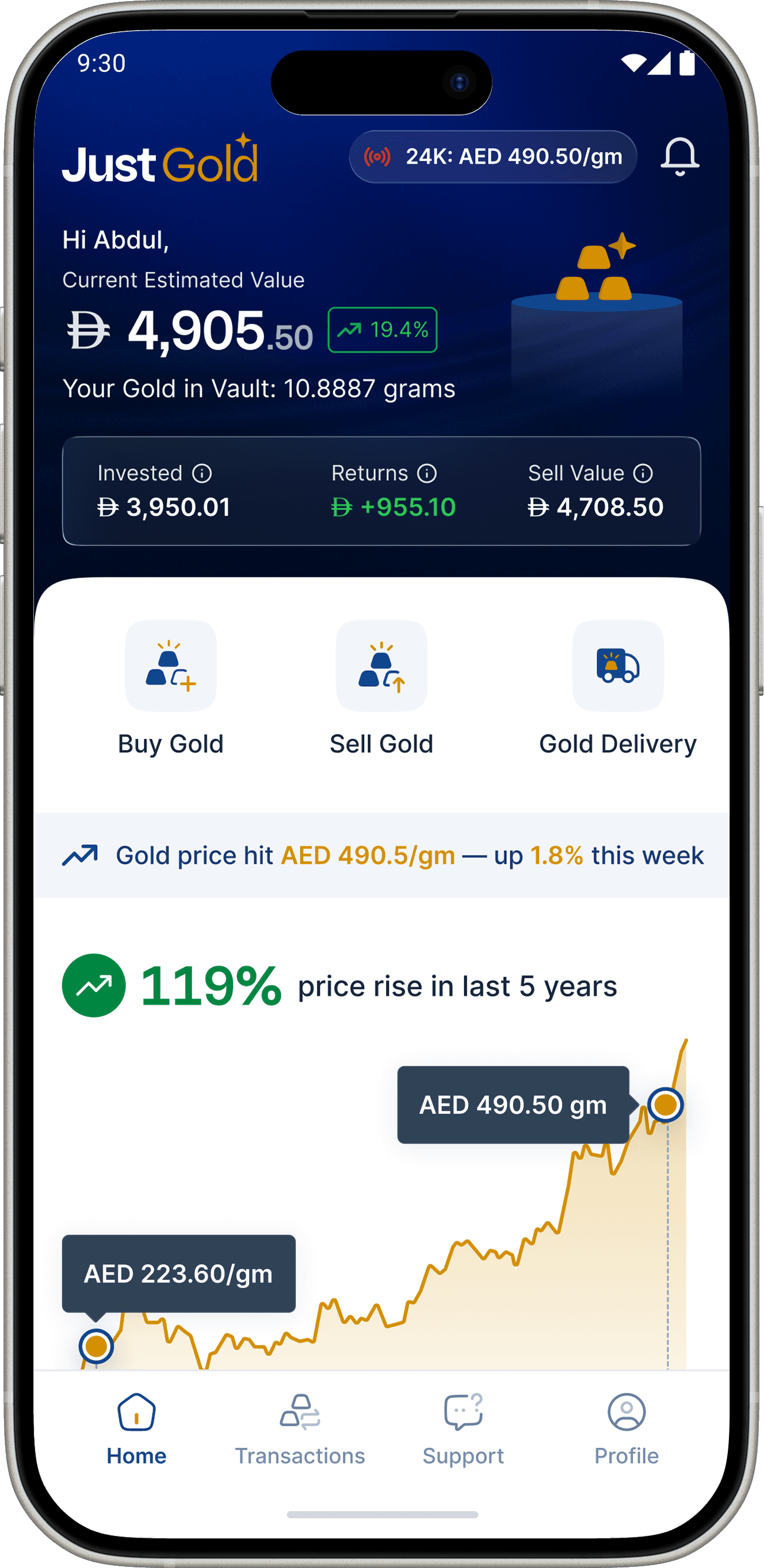
With the constant evolution of digital platforms, organizations have begun adopting innovative solutions to streamline their operations. Many professionals now turn to resources like Just Gold to optimize financial forecasting and strategic planning. Just Gold offers tools that encourage more reliable assessments of economic downturn risks and growth opportunities, facilitating more informed investment decisions.
Real-World Applications and Case Studies
Real-world applications of these advanced analytical tools are becoming increasingly common, with sectors such as real estate and global trade benefiting significantly. For instance, a report from McKinsey highlights that companies using predictive analytics in real estate have achieved a 10-15% increase in investment returns by accurately timing market entry and exit (source). This demonstrates the tangible benefits of implementing data-driven strategies in various industries.
Moreover, individuals seeking diversification in their investment portfolios often explore digital gold options, a reflection of evolving trust in non-traditional asset classes. Those interested in understanding the potential of digital gold might find “From Tradition To Innovation: Why Digital Gold Is The Next Big Investment Trend” a valuable resource. Such insights are instrumental in navigating the complexities of modern financial landscapes.
In conclusion, the integration of innovative tools to predict economic trends provides a competitive edge in today's fast-paced world. As organizations continue to harness these capabilities, they gain deeper insights, enhancing their capacity to respond proactively to market changes.
Emerging Implications and Strategic Outlook
Building on the foundation established earlier, this discussion explores how the insights from recent New York Fed research serve as critical signals for market participants and policymakers. The focus now shifts toward interpreting these findings through a strategic lens—helping institutions and analysts anticipate shifts in economic behavior and policy direction.
Forecasting Bank Resilience and Financial Stability
One particularly compelling finding from New York Fed research is the importance of institutional health in mitigating the severity of bank runs. As revealed in a remarkable study leveraging artificial intelligence to analyze historical data, poor fundamentals—not just depositor panic—are pivotal in determining whether a run evolves into systemic failure. Financial actors and regulators can use such insights to better allocate resources for institutions displaying early vulnerability signals, potentially averting wider crises through targeted oversight and timely intervention strategies (source: Reuters coverage of NY Fed research) (Reuters).
Assessing Persistent Inflationary Pressures
Another critical takeaway relates to inflation dynamics among Mid-Atlantic firms. According to recent New York Fed surveys, many businesses continue to plan additional price increases in response to tariffs, suggesting that inflationary pressures may endure even as headline inflation appears tame. This underscores the need for firms, especially in affected sectors, to incorporate potential cost shocks into longer-term pricing and supply chain strategies. Stakeholders can leverage such research to anticipate policy responses, understand inflation trajectories more precisely, and calibrate hedge mechanisms accordingly (source: Investing.com summary of NY Fed findings) (Investing.com).
Strategic Implications for Policymakers and Analysts
Regulators may enhance macroprudential tools by integrating forecasts of institutional fragility, tailoring stress tests to better detect hidden vulnerabilities.
Market participants—especially banks and credit providers—can refine lending criteria, factoring in both macroeconomic shocks and institutional resilience.
Inflation-focused models should adjust pricing forecasts to account for tariffs’ delayed impact, giving monetary policymakers a clearer temporal map of cost inflation trends.
By weaving these strategic considerations into risk management frameworks, organizations can better navigate the challenges that arise when economic pressures and institutional fragility intersect. In effect, the nuanced findings of research such as that shared on https://www.newyorkfed.org/newsevents/news/research/2026/20260807 provide the analytical edge needed to anticipate shifts, respond proactively, and safeguard financial stability with precision.

A skyline view featuring a series of futuristic financial graphs and data visualizations projected onto the clouds, hinting at powerful analytics and the innovative tools used by the New York Fed to predict economic trends.
Conclusion: Navigating the Future with Informed Insights
The detailed insights presented in the New York Fed's research provide a powerful framework for understanding the complexities of modern economic trends. As we move forward, businesses and policymakers can leverage this data to make informed decisions that bolster economic resilience and growth. Through meticulous analysis of projected trends, strategies can be developed to anticipate shifts in the market, ultimately paving the way for more stable and sustainable future economies.
The innovative tools and methodologies discussed in this research equip stakeholders with the necessary resources to predict fluctuations and adapt quickly. By understanding key indicators and patterns, organizations can curate more effective financial strategies. These insights are not only applicable to large corporations or governments but can be utilized by small businesses and individuals looking to optimize their financial approaches in a rapidly changing environment.
Actionable Insights for Real-World Applications
One actionable insight is the emphasis on data-driven decision-making. Leveraging predictive analytics allows for the anticipation of economic cycles, enabling businesses to prepare for potential downturns or capitalize on upcoming growth periods. For instance, adopting flexible investment strategies that adjust based on market predictions can buffer against unexpected economic turbulence.
Moreover, fostering a culture of continuous learning and adaptation within organizations can further enhance resilience. Companies should invest in training programs that focus on new economic theories and analytical tools, ensuring teams are well-versed in interpreting data effectively. This proactive approach empowers businesses to innovate and stay ahead of competition.
Next Steps: Harnessing Technology for Enhanced Outcomes
To effectively implement these strategies, consider leveraging technology platforms that offer comprehensive economic analysis. Platforms like Just Gold provide valuable tools and resources that can enhance strategic planning and decision-making processes. By integrating such resources, businesses and individuals can gain a competitive edge in managing economic changes adeptly.
In conclusion, the exploration of economic trends and their implications underscores the importance of staying informed and proactive. As the landscape continues to evolve, utilizing the insights from studies like those found at the New York Fed and incorporating technological solutions like Just Gold can lead to more robust and informed economic strategies. Embarking on this path not only fosters growth but also secures a more resilient economic future for all stakeholders.