

U.S. Manufacturing Rebound: Real Growth or a Price Effect?
U.S. Manufacturing Rebound: Real Growth or a Price Effect? The Revival of US Manufacturing: An Economic Powerhouse Reawakens Amid the shifting tides of the glob…
U.S. Manufacturing Rebound: Real Growth or a Price Effect?
The Revival of US Manufacturing: An Economic Powerhouse Reawakens
Amid the shifting tides of the global economy, the US manufacturing sector is making a notable recovery, hinting at a robust resurgence. This rebound is not only significant for the industry itself but also for the broader economic landscape. The revitalization of manufacturing is often considered a cornerstone of economic vitality, providing jobs, innovation, and growth. As we explore this phenomenon, it is crucial to understand the factors driving this resurgence and its implications for the future.
An increasing number of experts point to several contributing factors behind this revival. Key among them is the strategic re-shoring of production operations, driven by both economic and geopolitical incentives. Following the disruptions caused by the COVID-19 pandemic and rising tensions with trade partners, companies are re-evaluating their supply chains. By shifting production back to domestic grounds, businesses aim to create more resilient and secure systems. According to a recent article, https://economics.td.com/us-manufacturing-rebound, this strategy is integral in reinforcing the sector's strength and sustainability.
Technological advancements have also played a pivotal role. The integration of cutting-edge technologies such as artificial intelligence, robotics, and the Internet of Things (IoT) is transforming manufacturing processes, making them more efficient and less reliant on manual labor. This digital transformation enhances productivity and competitiveness, ensuring that the US remains a leader in the global market. A report by McKinsey highlights how digital adoption is paving the way for a brighter, more innovative future for industries across the board. For more insights into technological impacts on financial sectors, consider exploring Conflict Of Interest.
Moreover, government policies are facilitating this revival. Recent legislation promoting domestic manufacturing, such as tax incentives and grants, is encouraging companies to invest in local facilities and infrastructure. By supporting small to medium-sized enterprises, these policies aim to nurture a more balanced and sustainable economic framework. The positive effects are expected to ripple through the economy, boosting job creation and fostering innovation across various sectors.
It's worth mentioning the consumer's evolving role in this recovery. There is a growing trend towards purchasing domestically made products, influenced by quality considerations and patriotism. This consumer shift is encouraging businesses to maintain a "Made in the USA" label, further boosting the manufacturing sector. The synergy between consumer preferences and corporate strategies is setting a foundation for long-term success and global competitiveness.
Technological Advancements Fueling Growth
Technological advancements are significantly boosting the resurgence of US manufacturing. With the integration of AI, automation, and advanced robotics, manufacturers are enhancing efficiency and precision in production processes. This technological boost allows companies to not only reduce labor costs but also improve the quality and consistency of their products.
One notable example is the automotive industry, where the use of robotic assembly lines has transformed production dynamics. By integrating automation, companies can maintain high output levels while minimizing errors. According to a report by Boston Consulting Group, factories worldwide could save up to $40 billion annually by implementing smart manufacturing solutions, a trend actively being adopted in the US.
Impact of Digital Transformation
The digital transformation within manufacturing is creating a robust ecosystem focused on data-driven insights. By utilizing the Internet of Things (IoT) and cloud computing, manufacturers can monitor equipment health and predict maintenance needs, ensuring continuous operations. This data-centric approach prevents costly downtimes and enhances the overall productivity of facilities.
A case study of General Electric illustrates this shift, as the company leverages IoT to optimize turbine operations, effectively reducing operational costs while increasing productivity. Such innovations highlight the strategic direction that US manufacturers are taking to remain competitive on a global scale. More on this digital transformation can be read at TD Economics.
Challenges and Opportunities
Despite these advancements, challenges persist. The need for skilled labor capable of managing sophisticated machinery and interpreting complex data analytics is increasing. Educational institutions and companies are partnering to bridge this skills gap through targeted training programs. For instance, Siemens USA collaborates with regional colleges to develop curriculums focused on digital competencies, preparing a new generation of workers suited for high-tech environments.
As the US manufacturing sector navigates these challenges, there are ample opportunities for growth. Investing in cutting-edge technologies not only promises improved efficiencies but also fosters innovation. For businesses exploring investment avenues, recognizing these opportunities is crucial. To understand more about strategic investments in technology, refer to why digital gold is the next big investment trend.
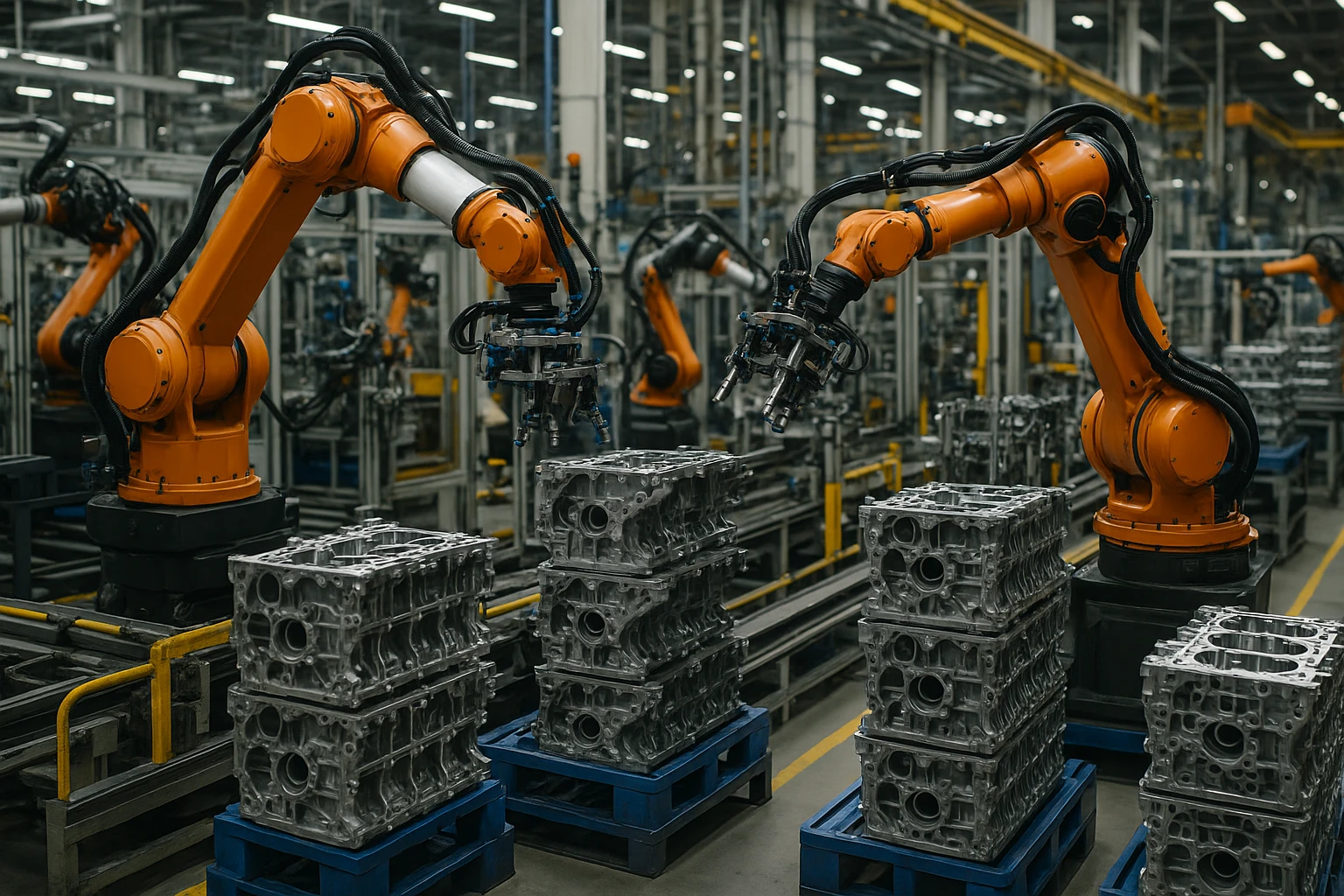
A bustling factory floor with automated machinery assembling automotive parts, showcasing advanced robotics and stacks of completed engine components ready for shipment.
The Key Drivers Behind the Manufacturing Rebound
Several factors are fueling the resurgence in US manufacturing, which is covered in depth on this resource. One of the primary drivers is technological innovation. Advanced manufacturing technologies, such as automation and robotics, have significantly increased production efficiency. This technological leap allows manufacturers to produce at a greater scale and lower cost, making American products more competitive globally.
Additionally, shifts in global trade policies have prompted some companies to rethink their supply chains. The US-China trade tensions, for instance, have encouraged numerous manufacturers to return operations stateside to mitigate risks associated with tariffs and supply chain disruptions. According to a report by the National Association of Manufacturers, companies have witnessed more stability since implementing these changes, leading to increased investment in US-based production facilities. Learn more about this transition.
Moreover, there is a growing consumer demand for locally sourced products, driven by an increased awareness of sustainable practices and the environmental impact of goods produced far from home. Companies are now adopting greener production methods, aligning with consumers’ expectations for environmental responsibility. This shift not only meets consumer demand but also contributes to reducing the carbon footprint associated with manufacturing and transportation.
Another influential factor is the adaptation to digital strategies that many manufacturing firms have embraced. Platforms like Just Gold offer innovative solutions to streamline operations and enhance productivity. Through digital integrations, companies are achieving real-time data insights and improved process management, which are crucial in today’s fast-paced market environment.
Finally, the strategic focus on workforce development has equipped the industry with the skilled labor necessary to operate advanced manufacturing technologies. Initiatives, such as community college partnerships and industrial apprenticeship programs, have played a vital role in addressing the skills gap. These programs ensure that workers are prepared to meet the demands of an evolving manufacturing landscape and that companies are well-positioned to drive continued growth.
Investors seeking stable growth opportunities have also shown increased interest in sectors directly tied to manufacturing advancements. For a deeper dive into investment trends, such as digital gold that complement these industrial trends, exploring insights such as Why Investors Are Moving To Digital Gold Gcc can offer valuable perspectives.
The Role of Technology in Manufacturing Rebound
Technology has become a pivotal element in the resurgence of manufacturing in the United States. Innovations such as artificial intelligence, the Internet of Things (IoT), and advanced robotics are transforming production lines, leading to increased efficiency and reduced operational costs. For instance, IoT enables real-time monitoring of machinery and systems, allowing for predictive maintenance that minimizes downtime. According to a study by McKinsey, manufacturing companies leveraging digital solutions can reduce their maintenance costs by up to 40% while reducing unplanned downtime by 50% (source).
The adoption of smart manufacturing practices is also contributing to the rebound highlighted in https://economics.td.com/us-manufacturing-rebound. Companies like Ford and General Electric are integrating advanced robotics and machine learning to enhance precision and speed in their production processes. For instance, Ford has implemented collaborative robots on the assembly line, effectively increasing productivity without compromising safety. This technological integration not only boosts output but also creates a safer working environment for employees.
Adapting to Market Demands
In response to changing market dynamics, manufacturers are increasingly adopting flexible production systems that can swiftly pivot to meet evolving consumer preferences. Automation plays a critical role in achieving this flexibility. By utilizing automated systems, manufacturers can quickly adjust product lines to accommodate new designs or materials. For example, Tesla's ability to rapidly scale up production of its electric vehicles showcases the advantages of automated, agile manufacturing systems.
Moreover, the manufacturing sector is witnessing a shift towards sustainable practices, driven by consumer demand and regulatory requirements. Companies are investing in technologies that optimize resource use and reduce waste. The development of environmentally friendly manufacturing processes is not only beneficial for the planet but also enhances a company's brand reputation and competitiveness. According to the World Economic Forum, sustainable manufacturing can lead to significant cost savings while meeting consumer expectations for sustainable products (source).
As the industry continues to evolve, businesses must keep pace with technological advancements to maintain a competitive edge. The resurgence of manufacturing, as discussed on https://economics.td.com/us-manufacturing-rebound, is emblematic of the sector's ability to adapt and thrive in a digital world. Both established and emerging companies are poised to benefit from these technological transformations, positioning themselves for sustained growth in the future.
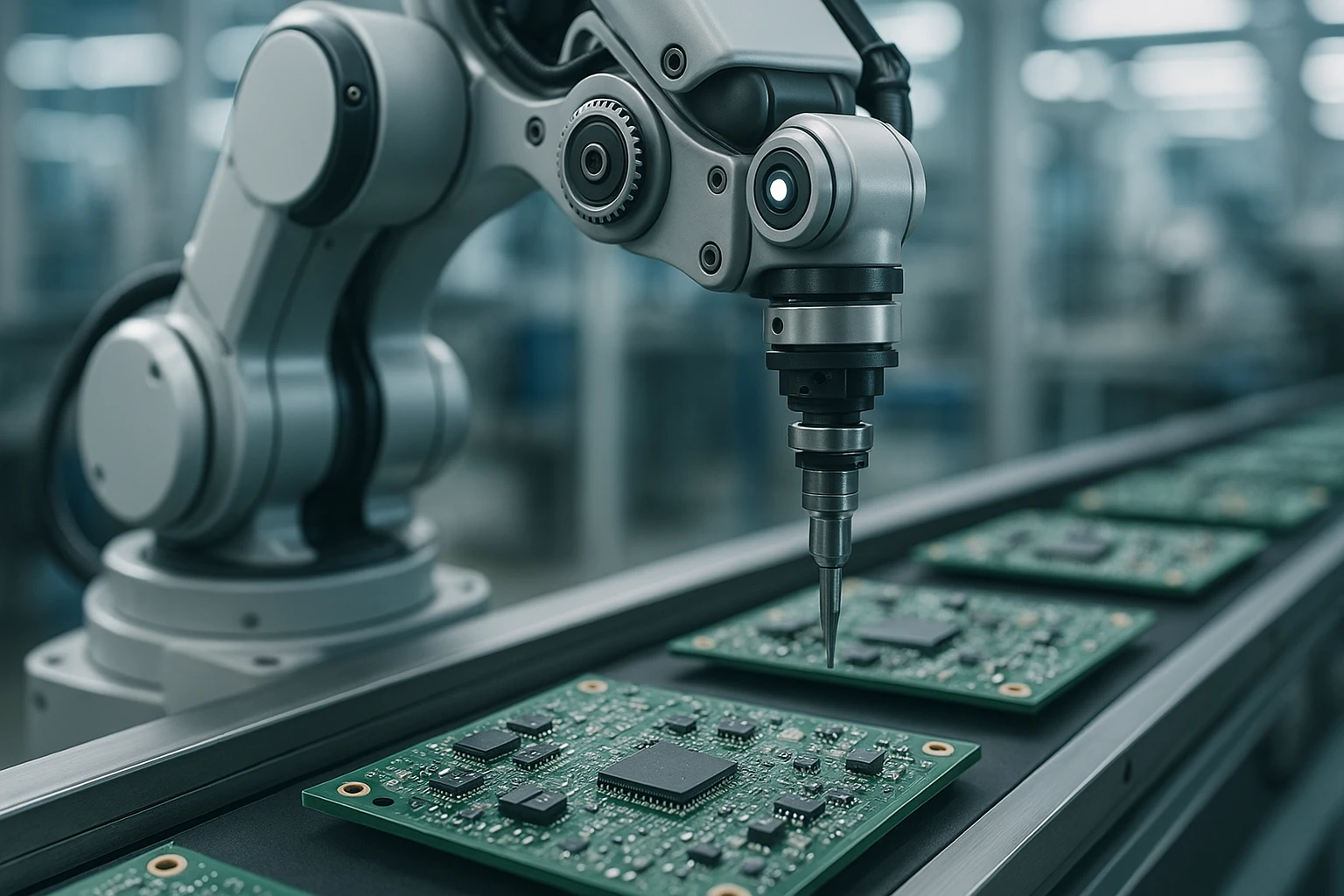
A close-up of a sleek robotic arm intricately assembling circuit boards on a conveyor belt, set within a brightly lit, modern manufacturing facility with visible gears and sensors.
Conclusion and Next Steps
The resurgence of US manufacturing reflects a significant shift towards a more innovative and technologically advanced industry. This rebound has been fueled by investments in automation, skilled labor development, and sustainable practices. As manufacturers integrate these modern solutions, they lay the foundation for sustained growth and global competitiveness. According to the latest data, facilities that have embraced these changes report increased production efficiency and reduced operational costs, aligning with the insights from https://economics.td.com/us-manufacturing-rebound.
For businesses aiming to capitalize on this momentum, prioritizing workforce upskilling is paramount. Training programs tailored to the specific technological needs of each facility can ensure employees are equipped to handle sophisticated machinery and processes. Furthermore, integrating data analytics can enhance decision-making capabilities, allowing for real-time adjustments and forecasting that optimize performance. To achieve these advancements, companies should consider leveraging digital tools that streamline operations and drive efficiencies.
A key actionable insight is the implementation of lean manufacturing principles, which focus on minimizing waste while maximizing productivity. These principles not only improve operational efficiency but also contribute to environmental sustainability—a growing concern and requirement among consumers and regulatory bodies alike. By adopting such practices, manufacturers can significantly enhance their brand reputation and market positioning.
As the sector continues to evolve, it is crucial for decision-makers to stay informed about industry trends and technological breakthroughs. Engaging with industry reports and continuous learning platforms will provide valuable insights necessary for strategic planning. In this vein, resources like Just Gold can offer comprehensive tools and support for businesses embarking on this transformative journey. With a range of services tailored to the manufacturing sector, Just Gold stands as a pivotal ally in driving success and innovation.
In conclusion, the rebound of US manufacturing presents a unique opportunity for growth and advancement. By leveraging emerging technologies and strategic partnerships, companies can achieve substantial improvements in production and profitability. As the landscape continues to evolve, keeping pace with innovation and prioritizing adaptability are essential strategies for enduring success.