

How Tariffs Could Fuel U.S. Investment: Trump’s Bold Claim Explained July 2026
How Tariffs Could Fuel U.S. Investment: Trump’s Bold Claim Explained July 2026 The Impact of Tariffs on the U.S. Economy: An Introduction Amidst the swirling de…
How Tariffs Could Fuel U.S. Investment: Trump’s Bold Claim Explained July 2026
The Impact of Tariffs on the U.S. Economy: An Introduction
Amidst the swirling debates over trade policies, the imposition of tariffs often emerges as a contentious topic. With the global economy interconnected like never before, even subtle shifts can reverberate across continents. A prime example is Donald Trump's controversial stance, as reported on Economic Times, wherein he argued that tariffs would not harm the U.S. economy but instead spur substantial investments.
This perspective invites a closer examination of tariffs’ actual ramifications on economic landscapes. Understanding the intricate dance between tariffs and trade necessitates an exploration of historical case studies, such as the infamous Smoot-Hawley Tariff Act of 1930, which exacerbated the Great Depression by triggering retaliatory measures and stifling international trade. Conversely, Trump's administration sought to wield tariffs as a means to bolster domestic industries, asserting that they could rejuvenate American manufacturing and protect jobs.
However, the introduction of tariffs is seldom a straightforward strategy. It often prompts complex reactions from trading partners, leading to unforeseen consequences. For instance, while tariffs can protect fledgling industries from international competition, they might also lead to increased costs for imported goods. This, in turn, can escalate prices for consumers, resulting in an inflationary effect that might offset any initial gains in local employment or industry protection.
Furthermore, businesses reliant on imported raw materials face additional challenges, as tariffs increase production costs. These increased expenses may be passed on to consumers, diminishing domestic economic growth in sectors heavily dependent on global supply chains. According to an analysis by Forbes, there’s ongoing debate about whether the short-term gains from tariffs can outweigh these longer-term pressures.
While Trump's claims were buoyed by the prospect of securing hundreds of billions in investments from nations keen to bypass tariffs by establishing domestic operations, the reality is multifaceted. These hopes must be measured against potential diplomatic strains and the risk of escalating trade wars. To delve further into how global economic strategies and innovations are shaping investment trends, readers can explore insights offered by Why Investors Are Moving To Digital Gold GCC.
Understanding the Implications of Tariffs on the U.S. Economy
The introduction of tariffs has long been a contentious strategy in the sphere of international trade. The argument put forth by policymakers, such as former President Donald Trump, suggests that tariffs could potentially rejuvenate domestic industries by making imported goods more expensive and thereby encouraging local production. However, the real-world implications are far more nuanced.
Impact on Industries and Consumers
The assumption that tariffs will invite hundreds of billions of dollars in investment, as reported in https://economictimes.indiatimes.com, is largely debated among economists. While some industries might indeed benefit from reduced competition, others suffer from increased production costs. For instance, in the American manufacturing sector, businesses reliant on imported raw materials might face higher costs, directly affecting their pricing and competitiveness. This was evident when tariffs on steel and aluminum led to a rise in expenses for industries relying on these metals, impacting everything from automotive to construction.
Case Studies and Real-world Applications
Analyzing specific companies can illuminate the broader effects of tariffs. For example, the U.S. agricultural sector was heavily impacted, as retaliatory tariffs from countries like China led to a significant drop in exports. According to a report from the New York Times, American farmers experienced financial strain, leading to increased government subsidies as a buffer. These subsidies, while a short-term relief, heightened concerns about long-term sustainability and market imbalances.
Global Trade Relations and Economic Strategies
Tariff policies can also strain international relations, potentially igniting trade wars that hurt global economic stability. By encouraging protectionist measures, countries risk isolating themselves and missing out on beneficial trade partnerships. It's crucial for policymakers to weigh the immediate financial gains against the potential diplomatic costs.
For investors considering the implications of such economic policies, exploring alternative investment trends like digital gold could be an interesting strategic shift, offering a hedge against market fluctuations and political instability.
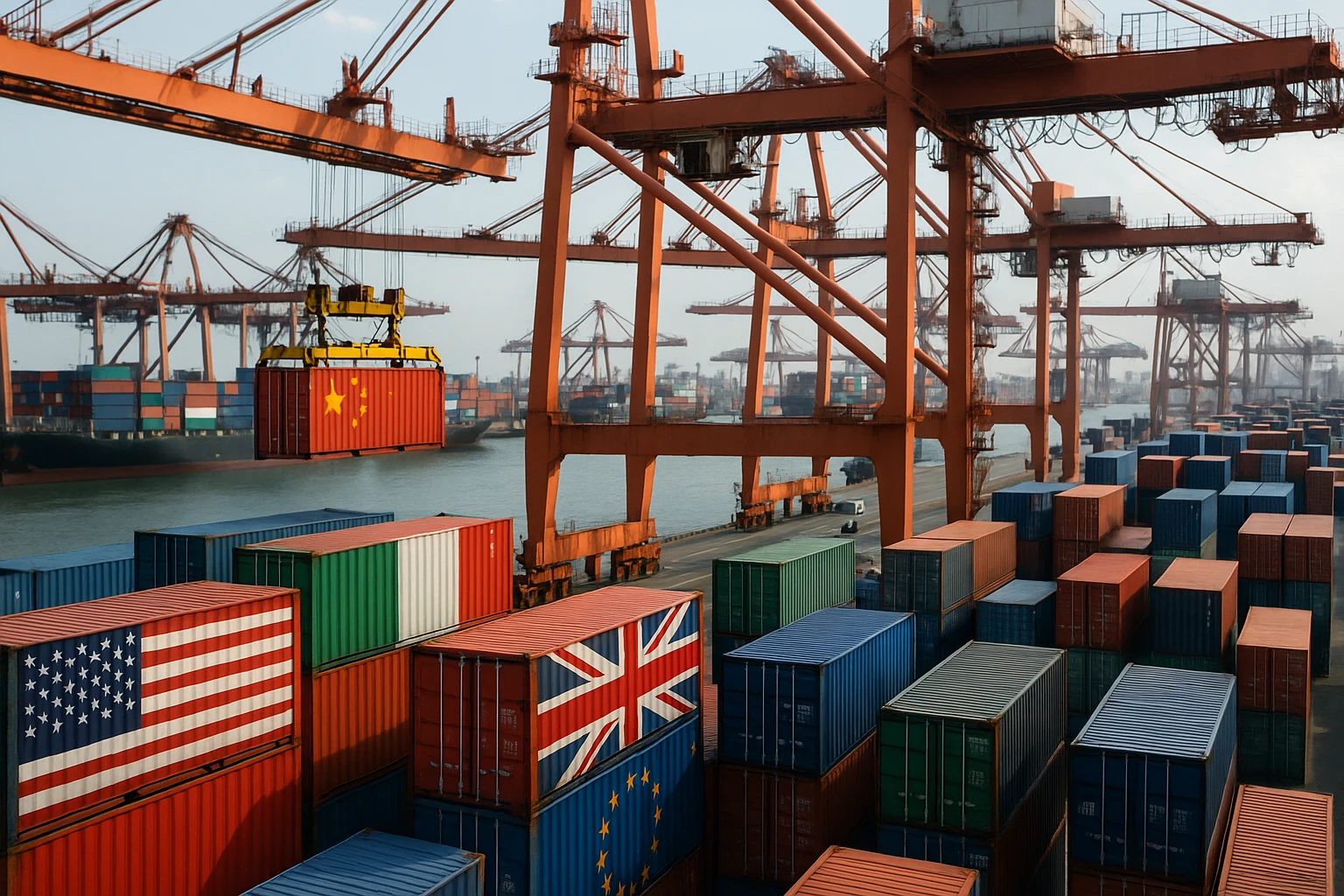
A bustling port with cranes unloading shipping containers labeled with various countries' flags, illustrating the global trade impact of tariffs amidst international commerce.
Impact of Tariffs on Industry Investment
Tariffs, often viewed as a double-edged sword, wield substantial influence over international trade and domestic industries. President Trump's assertion that tariffs will not harm the U.S. economy but will instead foster investments is grounded in strategic expectations. The claim, detailed on Economic Times, holds that the levies create a more competitive environment internally. By imposing tariffs, domestic industries can gain a pricing advantage against foreign competitors, potentially leading to increased revenues and further investments.
Case Studies: Tariffs in Action
The steel tariffs of 2018 provide a case study demonstrating potential outcomes. While some U.S. steel manufacturers reported rising profits due to increased domestic demand, downstream industries like automotive and construction experienced higher material costs. This dichotomy underscores the complex reality of using tariffs as economic tools. According to a report by the New York Times, the tariffs led some companies to invest in local production facilities to reduce reliance on imports, illustrating how tariffs can inadvertently stimulate investment.
Strategic Investment Incentives
The allure of tariffs lies in their potential to incentivize strategic investments. By increasing the cost of imports, tariffs may propel companies to relocate manufacturing processes domestically, thereby enhancing local employment and stimulating economic activity. However, this potential is not guaranteed and is often contingent upon broader economic conditions and trade partnerships. It is crucial for businesses to evaluate whether the benefits of tariff-influenced production shifts outweigh the increased costs associated with tariffs.
Embracing Digital Solutions
In the face of tariff-induced challenges, digital platforms provide innovative solutions. Companies navigating the complexities of tariffs and investments might find value in using resources such as Just Gold. This platform streamlines investment processes and offers continuous access to market information, proving invaluable for companies looking to optimize their strategies amidst changing tariff policies. For those seeking a robust understanding of how to leverage digital gold, examining How Digital Gold Brings 24/7 Investing Power to Your Phone might offer valuable insights.
The successful navigation of tariffs requires an intricate balance of strategic foresight and adaptability. With the right approaches, as highlighted in the Economic Times article, businesses can not only survive but thrive, leveraging tariffs to unlock new avenues for growth and investment.
The Impact of Tariffs on Economic Dynamics
Understanding how tariffs influence economic activity is crucial for businesses to align their strategies effectively. Tariffs, while often viewed negatively, can serve as catalysts for certain segments of the economy by promoting domestic industries. When tariffs impose additional costs on imported goods, they create an opportunity for local businesses to capture market share by offering competitive alternatives.
Case Study: U.S. Steel Industry
A pertinent example is the U.S. steel industry. When the U.S. imposed tariffs on imported steel, domestic producers witnessed an increase in demand. This shift encouraged investments in production capacity, capital upgrades, and job creation within the sector. According to a report by the American Iron and Steel Institute, the tariffs helped the industry by enabling more sustainable pricing and fostering a robust domestic market [source].
Investment and Economic Growth
Prominent figures have highlighted the potential of tariffs to bring substantial investments. As referenced in the Economic Times article, tariffs are positioned not merely as protectionist tools but as mechanisms to stimulate internal economic activity. By creating a more favorable environment for local businesses, tariffs can result in a domino effect of investments across various industries, thereby enhancing overall economic resilience.
Challenges and Strategic Responses
While the potential benefits are significant, the imposition of tariffs also poses challenges. Companies must navigate increased production costs and potential supply chain disruptions. However, firms can turn these challenges into opportunities by adopting strategic measures such as investing in local raw material sources or diversifying product offerings to mitigate risks. For example, a technology firm might focus on enhancing supply chain efficiency and local partnerships to offset the adverse impacts of tariff-induced price hikes.
Given the evolving nature of global trade, businesses stand to benefit by staying informed and adaptive. Leveraging insights from authoritative sources, such as Economic Times, provides an invaluable advantage. By aligning their operations with broader economic trends, companies can not only weather the challenges associated with tariffs but also position themselves for sustained growth.
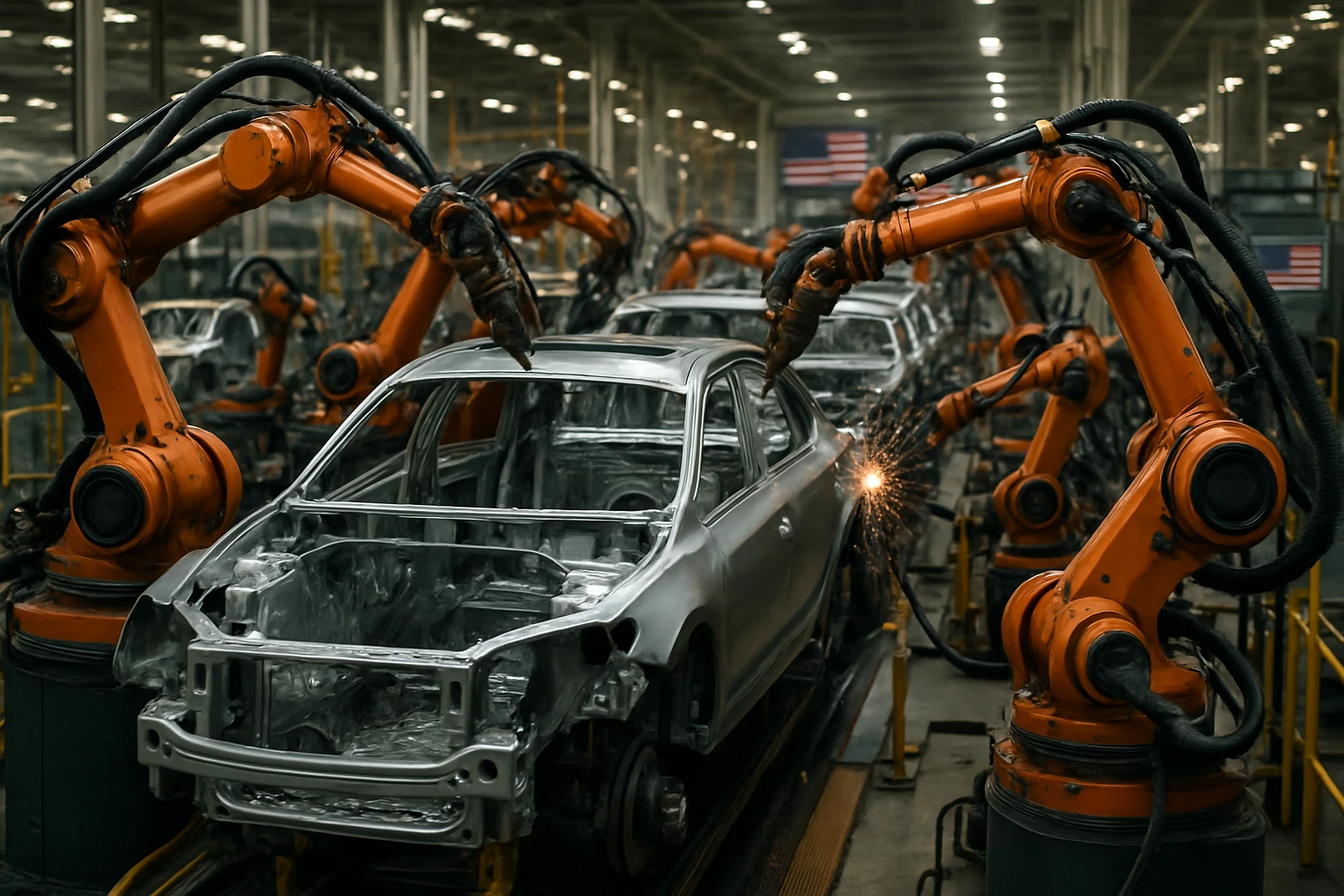
A factory floor bustling with industrial robots assembling cars, emphasizing automation and investment in American manufacturing as a response to tariff impacts, with an American flag subtly visible on machinery in the background.
Conclusion: Navigating the Economic Landscape
As we reach the conclusion of our analysis, it is clear that the debate surrounding tariffs and their economic impact remains dynamic and multifaceted. The confidence expressed in tariffs as a beneficial tool for the U.S. economy is grounded in the potential for increased domestic investment. However, understanding both the opportunities and challenges is crucial for businesses and policymakers.
Key Takeaways for Businesses
For businesses navigating the post-tariff landscape, adaptability and innovation are paramount. Companies must explore ways to capitalize on domestic market growth, perhaps by investing in automation and technology, which can mitigate the increased costs associated with tariffs. Those engaged in international trade should consider diversifying supply sources to minimize risk and maintain competitive pricing.
Actions such as these were highlighted by the surge in reshoring efforts by American manufacturers, a trend supported by data from the Reshoring Initiative, which reported a notable increase in jobs returning to the U.S. throughout recent years. Such strategic moves can position businesses to thrive despite potential trade barriers.
Actionable Insights for Policy Makers
Policy makers are advised to balance protective economic measures with initiatives that promote open trade relations. Coordinating fiscal strategies that support industries most affected by tariffs, such as agriculture and manufacturing, is vital. Additionally, investment in workforce development will ensure that the U.S. labor market can meet increased demands efficiently as new industries emerge.
Collaborative policy formulation, informed by continuous economic analysis and stakeholder engagement, will help maintain a robust and competitive economic environment. This is critical for sustaining growth and ensuring that the claimed benefits of tariffs are realized through substantial foreign investment and local manufacturing growth.
Strategic Resources for Future Success
To implement these strategies effectively, leveraging contemporary business tools and platforms can be immensely beneficial. Consider utilizing Just Gold, a comprehensive resource providing tailored solutions to support businesses in adapting to economic changes and maximizing opportunities in the new market landscape.
By integrating these insights and resources, stakeholders at all levels can effectively respond to the challenges and opportunities presented by tariffs, ensuring long-term prosperity and stability in the U.S. economy.