
The Great Deleveraging of 2026: Why Everything is Falling (And Why It’s the Perfect Time to Save)
The screens are flashing red. From the high-tech corridors of the Nasdaq to the digital wallets of Bitcoin holders, panic has set in. As we wake up this Monday…
The screens are flashing red. From the high-tech corridors of the Nasdaq to the digital wallets of Bitcoin holders, panic has set in. As we wake up this Monday morning, US stock futures are tumbling, Bitcoin has slipped below the psychological $80,000 mark, and even precious metals like gold and silver have seen a sharp, sudden correction.
If you are watching the markets with a knot in your stomach, you aren't alone. But to navigate this storm, we must first understand the history of what is actually happening. This isn't just a market drop; it is aliquidity cascade.
The Domino Effect of Leveraged Chaos
History is a strict teacher, and it often repeats its lessons for those who weren't paying attention. We saw it in 1929, in 2008, and we are seeing a glimpse of it now in early 2026. The recent news highlights a massive "sell-off" where gold and silver dropped significantly—gold by 11% and silver by a staggering 31% on Friday.
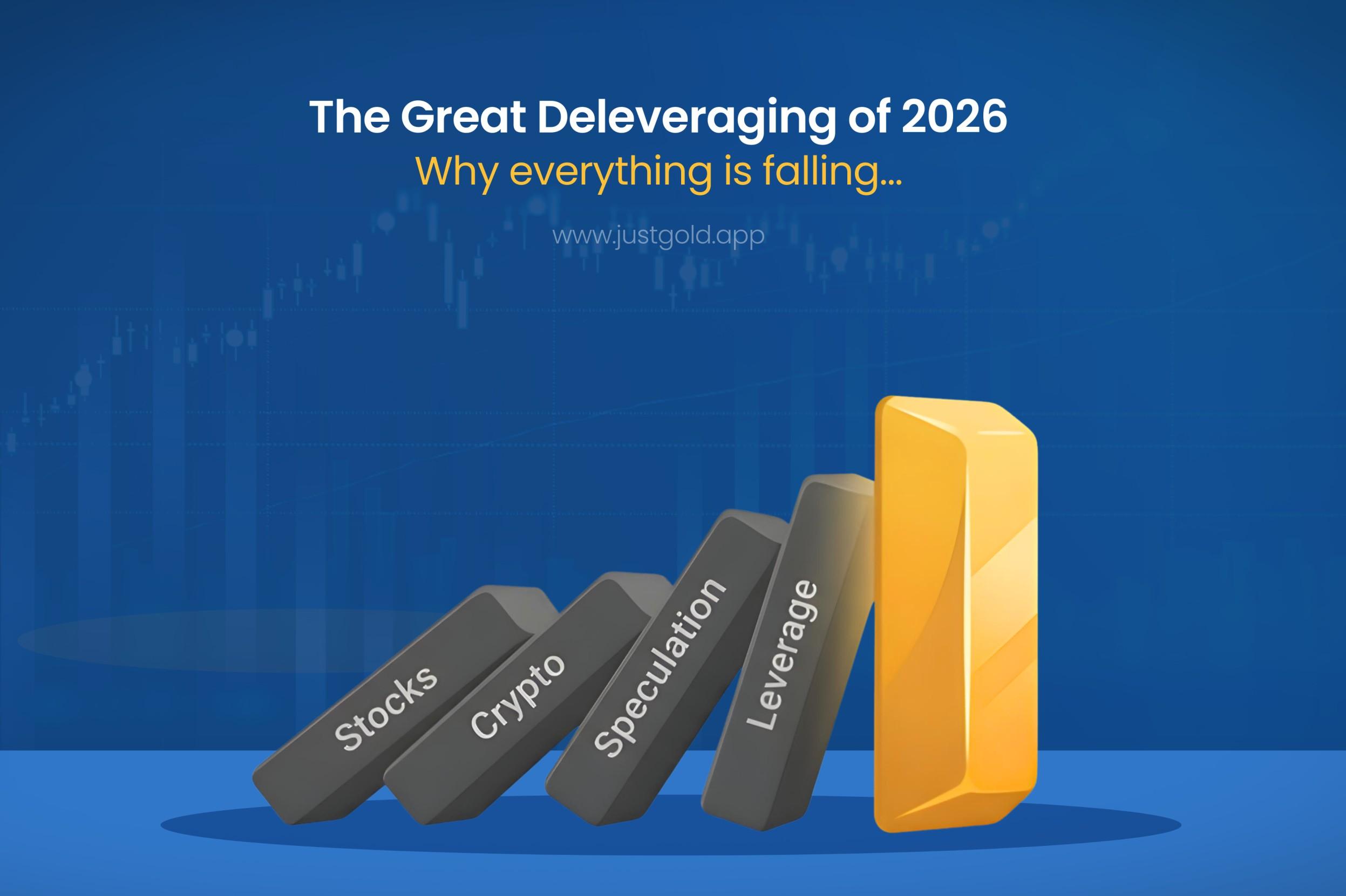
But here is the secret that the headlines often miss:This wasn't a failure of gold. This was a failure of leverage.
When traders borrow massive amounts of money to bet on markets (leverage) and those bets go sour, they get a "margin call." They must come up with cash immediately. To do that, they don't sell what theywantto sell; they sell what theycansell. They sell their liquid assets. They sell their winners.
This is why we see a strange phenomenon where safe havens like gold drop simultaneously with risky assets like Bitcoin and stocks. It is not that gold has lost its value; it is that over-leveraged paper traders are being forced to liquidate their positions to cover losses elsewhere.
Paper Gold vs. Real Savings
This volatility exposes the dangerous difference between "paper gold" (futures contracts, ETFs, derivatives) and physical savings. The 11% drop mentioned in the news is largely happening in the futures market—a digital casino where people bet on the price of metal they never intend to touch.
For the prudent saver, this distinction is everything. While the paper markets bleed out to pay for Wall Street's gambling debts, the fundamental value of the asset remains. In fact, throughout history, these liquidity crunches are often viewed by the wise as a "sale" on real assets.
The Calm in the Storm
In the Wild West of modern finance (pardon the expression, but it fits), wealth is often an illusion of numbers on a screen, pumped up by debt. When the debt cycle turns, as it seems to be doing now with the deleveraging event spreading from crypto to commodities to stocks, those numbers evaporate.
This is where the philosophy ofJustGoldbecomes vital. We aren't about trading. We aren't about leverage. We are about the slow, boring, and incredibly effective accumulation of real wealth.
Why Simplicity Wins
The traders causing this crash are stressed, glued to their monitors, watching their fortunes vanish in seconds. Meanwhile, a JustGold saver sees the dip differently. They see it as the market momentarily mispricing a timeless asset because it is in a rush to find cash.
When you strip away the noise—the Federal Reserve appointments, the geopolitical tensions, the "crypto winters"—you are left with a simple truth:Gold is a store of value that has outlasted every currency in human history.
If you are looking to step off the rollercoaster of modern speculation and build a foundation that doesn't crumble when Bitcoin sneezes, it might be time to look atJustGold. We allow you to save in gold automatically, without the stress of leverage or the fear of margin calls. You own the asset, not a bet on the asset.
A Lesson from the Ancients
The Romans understood that currency debasement leads to empire collapse. The merchants of Venice knew that gold was the only language spoken in every port. Today, we often forget these lessons, distracted by the flash of digital tokens and tech stocks.
But when the tide goes out, as it is doing right now, we see who has been swimming naked. The speculators are exposed. The savers, holding tangible value, remain standing.
As the market continues to shake out the gamblers this week, ask yourself: Do you want to be a trader trying to time a falling knife? Or do you want to be a saver, quietly accumulating the debris of their panic into a fortress of long-term wealth?
The choice is yours. But history suggests that when the paper world burns, gold is the fireproof safe.