
Why Gold Prices Are Sliding as the Fed Hints at Rate Increases

Understanding Gold Market Dynamics Amidst Federal Reserve Decisions In the world of commodities, few assets hold the allure and intrinsic value of gold. Revered…
Understanding Gold Market Dynamics Amidst Federal Reserve Decisions
In the world of commodities, few assets hold the allure and intrinsic value of gold. Revered for its historical stability and universal recognition, gold is often perceived as a safe haven during economic turbulence. However, the sparkle of this precious metal can sometimes dim amid shifting economic policies, as highlighted by recent discussions on gold prices sliding due to potential rate hikes from the Federal Reserve.
The Federal Reserve's influence on gold prices cannot be overstated. When the Fed signals a shift toward potential interest rate increases, it often results in a domino effect across global markets. Higher interest rates typically bolster the US dollar, making gold more expensive for foreign investors. This interplay between the dollar’s strength and gold's price is crucial for investors to understand, as it influences their strategic decisions regarding asset diversification. For more insights on this, you might explore why some investors are transitioning away from traditional gold avenues and moving towards digital gold options.
Historically, gold has been a reliable hedge against inflation and currency devaluation. Yet, in times when the Federal Reserve contemplates boosting rates to curb inflation, gold’s immediate attractiveness can wane. According to data from the World Gold Council, periods of rising interest rates correlate with decreased gold demand, as seen in their latest research findings. This trend is essential for current and prospective gold investors to monitor, particularly in a rapidly evolving economic landscape.
Still, the longer-term view often tells a different story. Despite short-term fluctuations, gold prices typically stabilize or rise over extended periods. This pattern underscores the metal's enduring value in diversified investment portfolios. Investors keen on integrating gold into their financial strategies should consider its dual role as both a safeguard and a growth asset. Understanding these dynamics, especially in light of prospective federal interventions, equips investors with the foresight needed to navigate an unpredictable market.
As central banks globally prepare for potentially tighter monetary policies, gold's role in financial markets remains a topic of keen interest. This commodity's path forward will likely intertwine with broader economic narratives, from inflationary pressures to changing investment landscapes. This context invites a reevaluation of how gold fits into modern economies and the strategic choices investors face moving forward.
Impact of Federal Reserve Policy on Gold Prices
The Federal Reserve's monetary policies, particularly interest rate adjustments, have historically been significant drivers of gold prices. As the Fed signals potential rate increases, investors are anticipating how these decisions might influence gold's value. Typically, rate hikes tend to strengthen the dollar, as higher interest rates offer better returns on dollar-denominated assets. Consequently, a robust dollar generally makes gold, which is priced in dollars, more expensive for international buyers, potentially reducing demand.
Understanding Interest Rates and Gold Value
Interest rates are crucial as they influence inflation and borrowing costs, impacting consumer spending and business investments. When the Fed increases rates to curb inflation, the resultant higher borrowing costs can suppress economic growth. This scenario can lead investors to seek safe havens like gold during economic slowdowns. For instance, during periods of economic uncertainty, gold often sees increased demand as investors look for a hedge against market volatility and inflation.
Recent Market Trends and Predictions
According to a recent analysis from Investing.com, gold prices have exhibited fluctuations in response to the Fed's hints at tightening policies. Over the past few months, the market has seen gold prices experience downward pressure, particularly as the central bank reiterated its commitment to controlling inflation. This dynamic showcases the delicate balance between rate expectations and investor demand for gold.
Investor Strategies in a Changing Environment
For contemporary investors, the current landscape presents both challenges and opportunities. Diversification remains a key strategy, as highlighted in the report on Trust In Gold The Foundation Of Every Strong Portfolio. By balancing gold investments with other assets, investors can mitigate risks associated with abrupt market changes. As the Fed continues to influence financial markets with possible rate changes, staying informed and adaptable becomes essential in managing a diversified portfolio effectively.

Impact of Federal Reserve Decisions on Gold Prices
The ongoing fluctuations in gold prices have created ripples of uncertainty in the investment world, particularly as the Federal Reserve hints at potential interest rate increases. Historically, such announcements from the Federal Reserve have had a profound influence on commodity prices, with gold being no exception. The anticipation of rate hikes often results in a stronger dollar, which inversely affects gold prices by making the precious metal more expensive for holders of other currencies.
As seen in recent trends, the announcement about possible rate increases has prompted a perception of gold as a less attractive investment compared to interest-bearing financial instruments. This connection was evident in the analysis provided on MoneyCheck, where experts noted a significant slide in gold prices following the Federal Reserve's latest signals. The correlation highlights how sensitive gold is to monetary policy shifts and macroeconomic signals.
Examples of Market Reactions
Examining past market reactions can provide insight into potential future movements. For example, during 2013's "Taper Tantrum," when the Federal Reserve announced a reduction in its bond-buying program, gold prices fell abruptly. A similar scenario could unfold if the economy perceives imminent rate hikes as a curtain-raiser to further monetary tightening. This historical context reinforces the importance for investors to closely monitor Federal Reserve announcements.
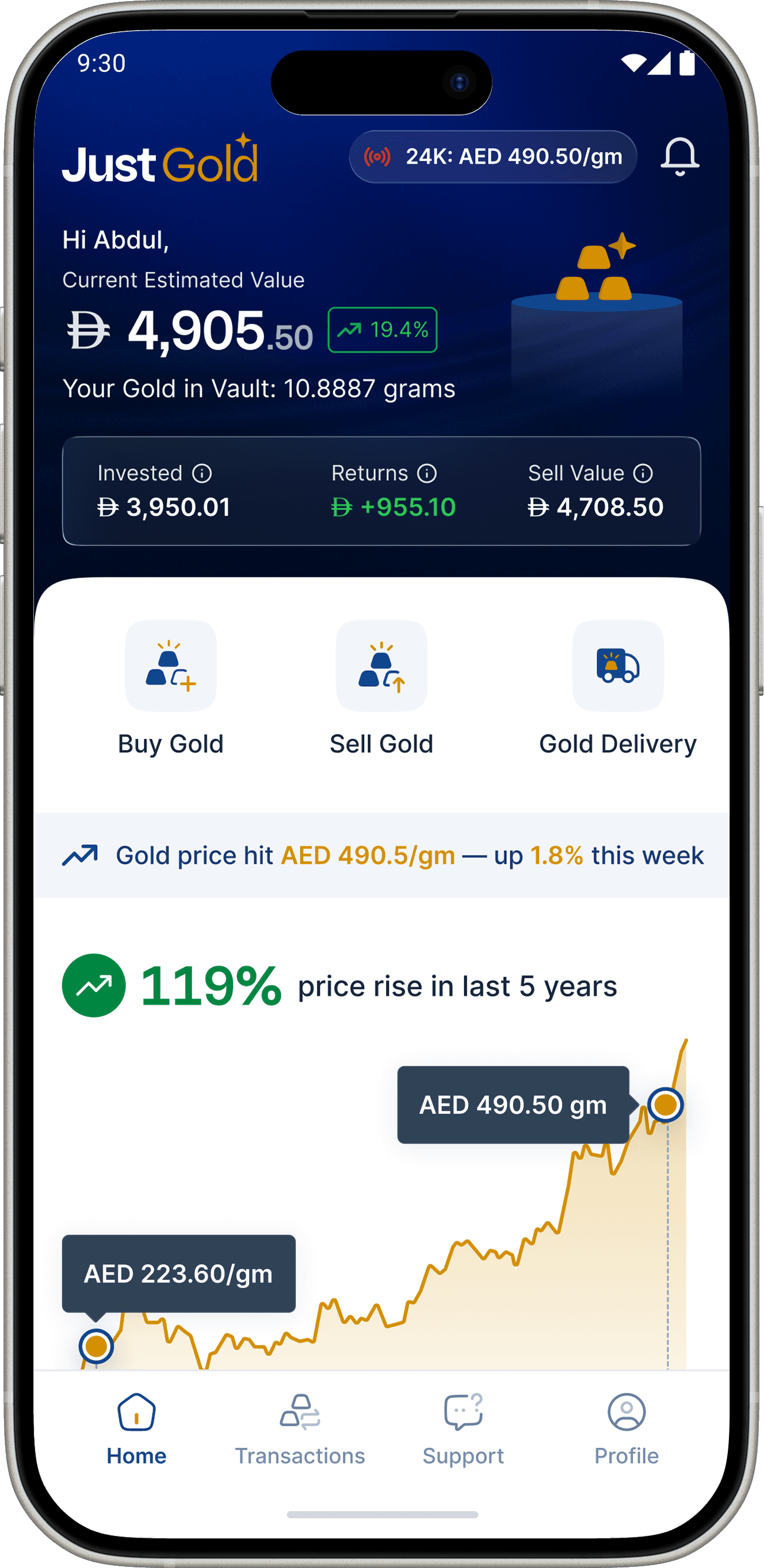
For investors looking to navigate these turbulent waters, leveraging digital platforms such as Just Gold can be a game changer. These platforms enable real-time tracking and management of gold investments, allowing users to react swiftly to market changes. As digital technologies continue to evolve, utilizing these tools can provide a strategic advantage in preserving asset value.
The Role of Digital Gold
For those hesitant about tangible gold assets, digital alternatives offer a modern solution. Digital gold investments are gaining traction for their convenience and accessibility, providing 24/7 investing power. Platforms like Just Gold empower users by offering robust security measures and flexible investment options. To further explore this trend, you can read about why digital gold is the next big investment trend on Just Gold's blog.
In conclusion, the Federal Reserve's actions have a profound impact on the gold market, shaping investor behavior and pricing models. Whether through direct market participation or digital platforms, understanding the dynamic interplay between economic policies and gold prices is crucial for investors aiming to safeguard and grow their investments.
Fed Rate Hike Signals and Market Strategy
Building on the momentum from the previous discussion, it’s crucial to examine how investors can reposition strategically when gold prices react to the Federal Reserve’s indications of rate hikes. As reflected in the report found via ATFX, gold recently retreated to around $5,000 per ounce amid diminishing expectations for rate cuts, as persistent inflation and geopolitical tensions kept pressure on the market. This scenario showcases an elevated opportunity cost of holding non-yielding bullion, prompting investors to shift toward higher-yielding interest-bearing assets when rate hikes loom.
Given this context, a practical approach is maintaining flexibility in allocation. Diversifying allocations between physical metal holdings and interest-yielding instruments allows investors to mitigate downside risk during rate-tightening cycles. For example, an investor might allocate 60% to gold-related instruments (e.g., ETFs or physical bullion) and keep 40% in short-term Treasury bills or high-yield savings, which benefit from rising yields when the Fed leans hawkish. This “balanced hedge” framework helps preserve purchasing power and offers liquidity when market sentiment shifts.
Another effective tactic is using derivatives or structured instruments to hedge against volatility. As outlined by CME Group’s latest analysis, the correlation between gold price movements and futures-based interest rate expectations provides insight into short-term fluctuations. Investors could use options strategies like collars or capped calls to protect downside risk while preserving upside potential if rate-tightening proves transitory CME analysis.
Looking at real-world examples, during previous tightening cycles, gold often underperformed initially but rebounded meaningfully once the Fed paused or reversed policy. One study by the World Gold Council found that after transitions from tightening to neutral policy stances, gold prices rose as much as 7% within a month and nearly 19% over 12 months in certain cycles. This underscores the value of holding positions through the early weakening phase for potential longer-term gains World Gold Council report.
Incorporating insights from the article on https://moneycheck.com/gold-prices-slide-as-federal-reserve-hints-at-potential-rate-increases/, investors can better interpret shifts in Fed communication to adjust their portfolios. A nuanced strategy that combines liquidity, protection, and selective exposure allows for smarter navigation of gold’s ebbs and flows amid monetary tightening scenarios.
Conclusion: Navigating the Fluctuating Market
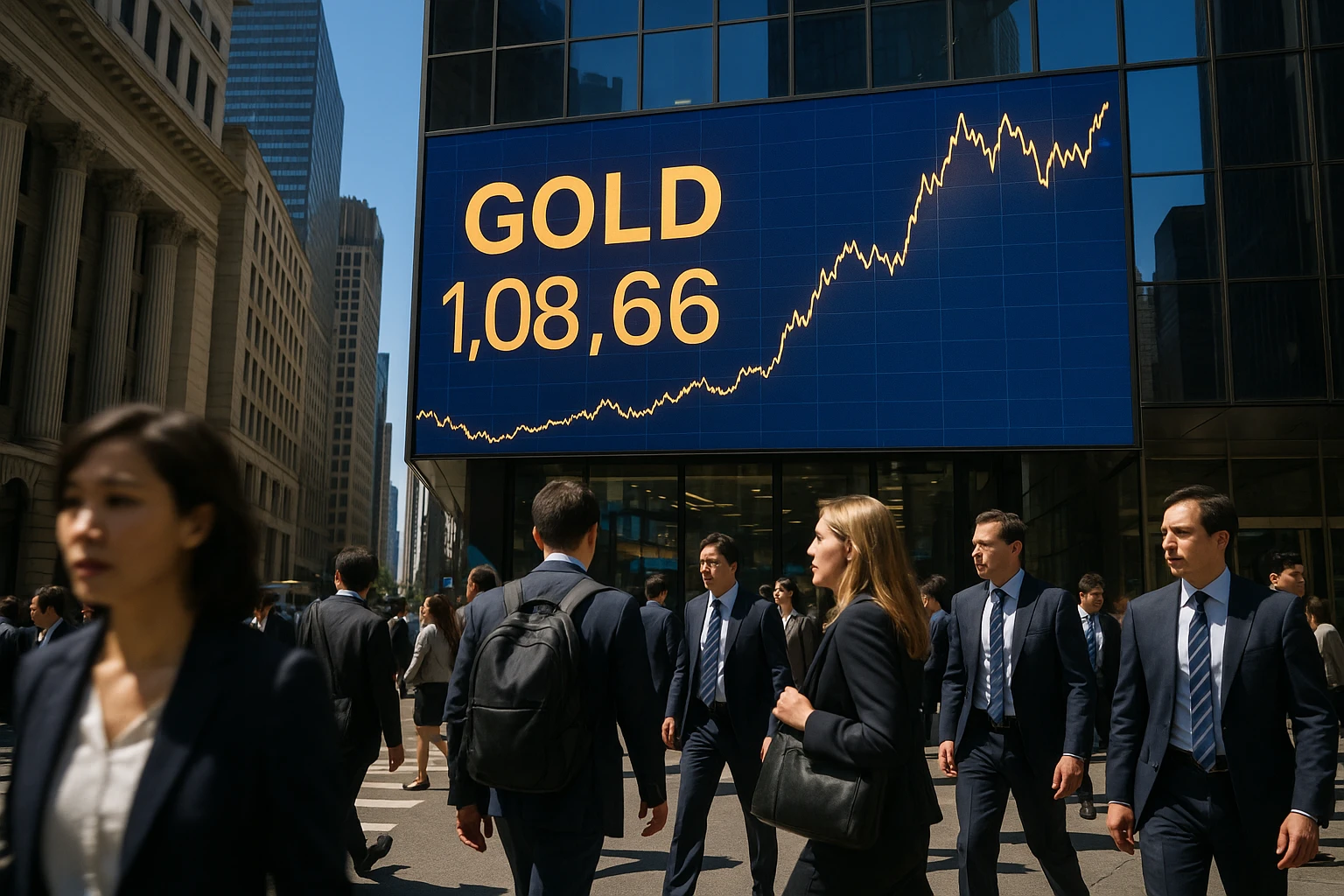
The recent shifts in the gold market, influenced significantly by the Federal Reserve's potential rate hikes, serve as a vivid reminder of the dynamic nature of economic landscapes. Gold prices have demonstrated their sensitivity to broader fiscal policies, prompting investors to adapt their strategies accordingly. This interplay underscores the importance of staying informed and responsive to financial policy announcements.
Investors are urged to assess their portfolios in light of potential interest rate changes. Diversification remains a pivotal strategy; incorporating a mix of assets can mitigate risks during periods of uncertainty. Historical trends have shown that while gold often serves as a hedge against inflation, its short-term volatility can be impactful. Staying abreast of central bank policies and economic indicators is crucial for making informed decisions.
Concrete data analysis and forecasts can provide valuable insights. For instance, according to recent studies by financial analysts, the correlation between interest rates and gold prices has evolved over decades. Understanding these patterns can guide investors in timing their asset purchases or sales. Utilizing economic forecasts from reputable sources allows for strategic planning and potential profit optimization.
As the market continues to evolve, leveraging technology can enhance decision-making processes. Platforms like Just Gold offer tools that simplify tracking and analysis of market trends. Such resources enable investors to make data-driven decisions, thereby maximizing their investment returns and stability in turbulent times.
In wrapping up, the current state of the gold market presents both challenges and opportunities. By staying informed, embracing diversification, and utilizing advanced tools and resources, investors can effectively navigate the complexities of today’s financial environment. As policy shifts continue to impact economic trajectories, being proactive and adaptable remains key to success. For those looking to engage deeply with these strategies, consider diving into platforms such as Just Gold for comprehensive support and insights.
Keep reading
All articles
How Tariffs Could Fuel U.S. Investment: Trump’s Bold Claim Explained July 2026
Read
The Silent Tax of Trade Wars: Navigating Global Uncertainty with Ancient Wisdom
Read