
Is Digital Gold Halal in the UAE? A Comprehensive Guide

Understanding Digital Gold: An Introduction In recent years, the concept of digital gold has emerged as a revolutionary investment option, captivating investors…
Understanding Digital Gold: An Introduction
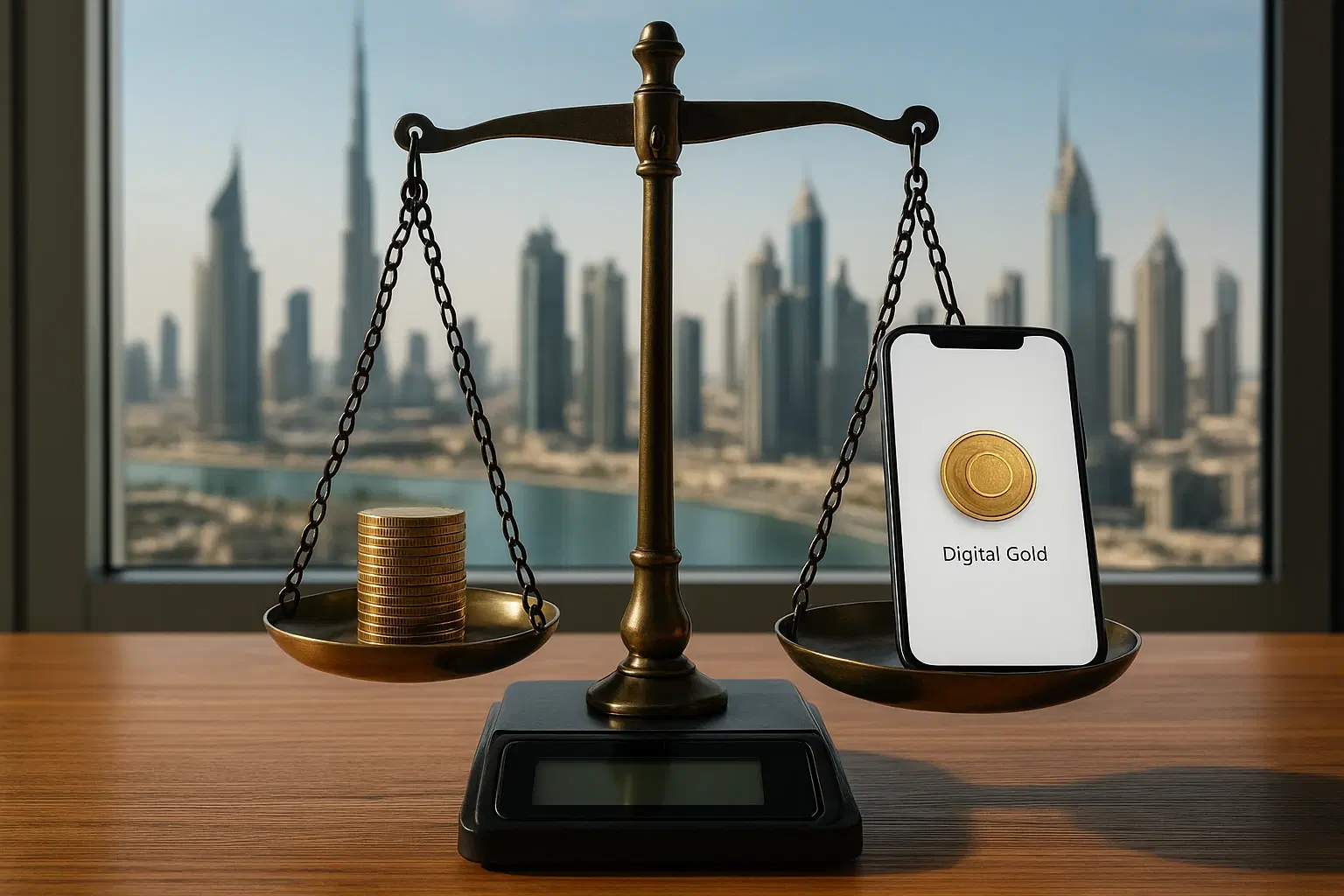
In recent years, the concept of digital gold has emerged as a revolutionary investment option, captivating investors worldwide. As we delve into its intricacies, a crucial question arises: is digital gold halal in the UAE? This question not only probes the financial viability of digital gold but also its permissibility under Islamic law, a significant concern for many investors in the UAE.
Digital gold, unlike physical gold, exists solely in an electronic format. Investors purchase it through online platforms, gaining the benefits of gold ownership without the need for physical storage. This modern investment avenue offers increased liquidity and convenience, capturing the attention of savvy investors seeking diversification. However, when considering its compliance with Islamic principles, complexities arise.
Islamic finance principles focus heavily on the prohibition of riba (usury) and gharar (excessive uncertainty). Therefore, financial instruments must align with these fundamentals to be considered halal. With digital gold, the main concern is whether it adheres to these guidelines. For instance, certain platforms ensure that each unit of digital gold purchased is backed by physical gold stored securely, which may address concerns about uncertainty and speculation.
The UAE, being a regional financial hub with a significant Muslim population, is uniquely positioned regarding investments like digital gold. According to data from the Gulf Cooperation Council (GCC), gold transactions are crucial to the region’s economy, making regulatory compliance essential. While some scholars argue that digital gold can be halal if it meets specific criteria, others emphasize the need for careful analysis and individual due diligence for each platform. For more information on how digital gold is reshaping investment trends in the region, explore why investors are moving to digital gold GCC.
In recognizing the complexities of digital gold's permissibility, potential investors must navigate this landscape with a combination of technological insight and religious consideration. The convergence of these factors plays a pivotal role in determining whether digital gold can truly be a halal avenue in the UAE. As digital gold continues to gain traction, examining its alignment with Islamic finance principles becomes increasingly pertinent, demanding careful scrutiny from both scholars and investors alike.
Through this exploration, we aim to provide actionable insights and practical guidance for investors contemplating the halal nature of digital gold in the UAE. Subsequent sections will delve deeper into these facets, enriching your understanding of this evolving investment trend.
Understanding Sharia Compliance in Digital Gold Investment
In examining whether digital gold is halal in the UAE, it's essential to understand the principles of Sharia compliance. Sharia law governs many aspects of life for Muslims, including financial transactions. Key to Sharia-compliant investments are the principles of risk-sharing and the prohibition of riba (interest) and gharar (excessive uncertainty). Scholars often debate whether digital assets fit within these parameters, making the question of halal or haram uniquely complicated.
Principles of Sharia-Compliant Investments
Sharia-compliant investments focus on asset-backed securities, aiming to avoid speculation and excessive risk. In the realm of digital gold, these principles translate to ensuring that the asset is tangible and can be owned and transferred within an established framework. Unlike cryptocurrency, which remains largely speculative, digital gold represents a specific amount of physical gold stored securely, thus aligning more closely with Sharia guidelines.
For instance, when you purchase digital gold through a reputable platform, you are investing in actual gold stored in a secure vault, which may be more permissible than other digital assets. This system offers a structured way to ensure that the investment is asset-based and that ownership can adequately be transferred, aligning more with Islamic finance principles.
Fatwas and Religious Opinions
The question "is digital gold halal in the UAE?" requires careful consideration of religious decrees or fatwas. Renowned Islamic financial scholars and councils may issue fatwas deeming such investments permissible or impermissible based on their interpretation of Islamic laws. According to The National News, the UAE has been at the forefront of these discussions, striving to align modern financial products with traditional Islamic principles.
By regularly engaging with the Islamic finance community, investors seeking clarity can gain insights into the evolving interpretations of acceptable practices. It is also advisable for investors to consult with knowledgeable Sharia advisors to ensure their investments are aligned with Islamic values.
Assessing Digital Gold Platforms
When investing in digital gold, choosing a platform that complies with Sharia principles is crucial. Investors should verify whether the platform is transparent about the gold's physical storage and the mechanisms for ownership transfer. Reading through analyses like What Is Digital Gold And How It Works GCC can offer practical guidance in selecting compliant options.
In conclusion, the halal status of digital gold in the UAE is contingent upon the adherence to Sharia principles and the guidance of religious authorities. With educated insights and informed choices, investors can navigate this complex landscape while upholding their ethical and religious commitments.
Islamic Financial Principles and Digital Gold
The question of whether digital gold is halal in the UAE hinges on its compliance with Shari'a law, which governs all aspects of a Muslim's life, including financial transactions. Shari'a sets out specific guidelines that must be fulfilled for a transaction to be deemed permissible, or halal. These principles include the elimination of Riba (interest), avoidance of Gharar (excessive uncertainty), and ensuring that profits are derived from lawful work and business.
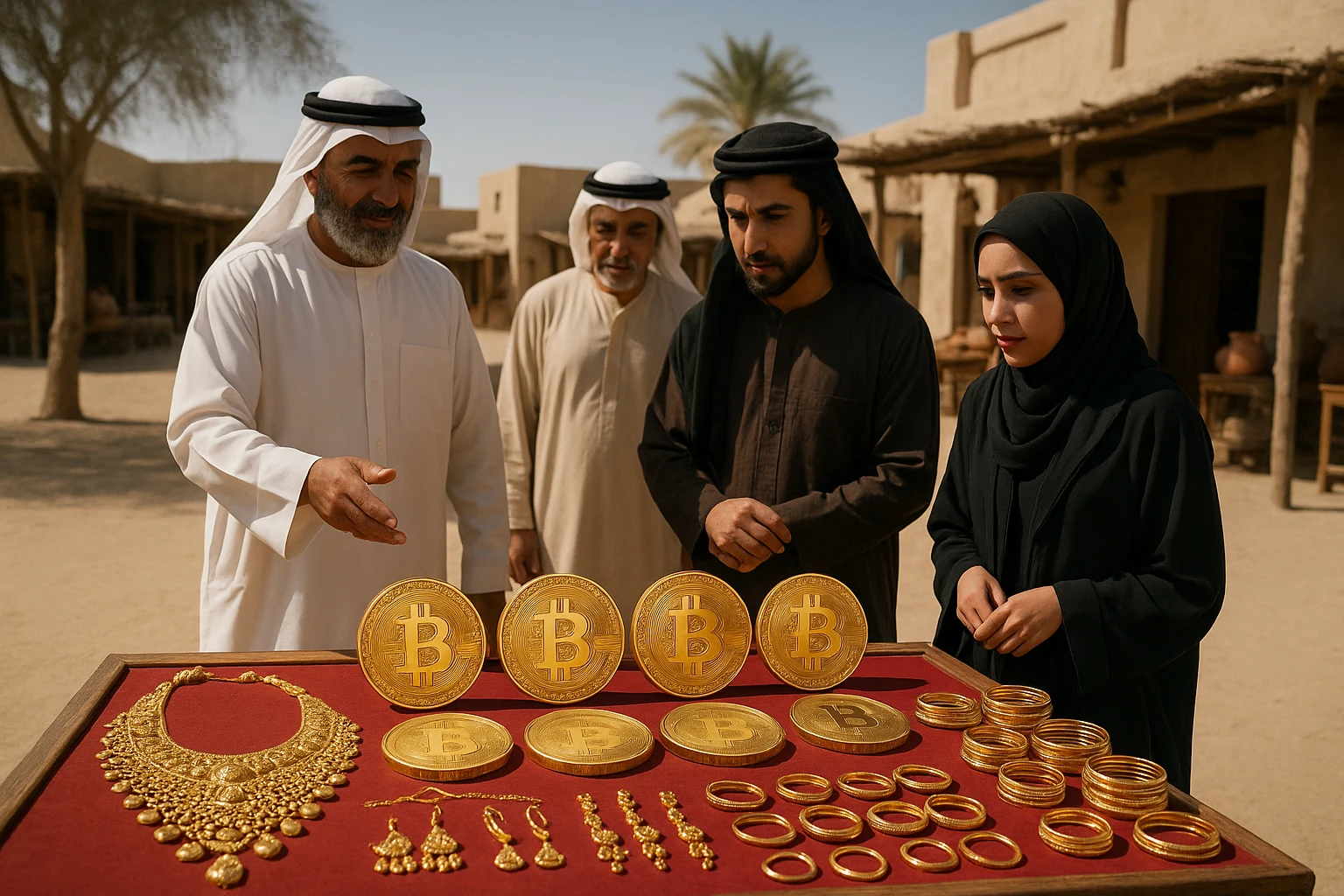
Traditional gold investment includes ownership of physical gold, which aligns well with Islamic principles as it involves tangible goods. However, digital gold represents a more abstract form of investment. It allows individuals to purchase a certain weight of gold digitally, which is stored in their name by the service provider. For digital gold to be considered halal, it needs to ensure full ownership rights without uncertainty, ensuring no doubts about the transaction's authenticity or underlying value.
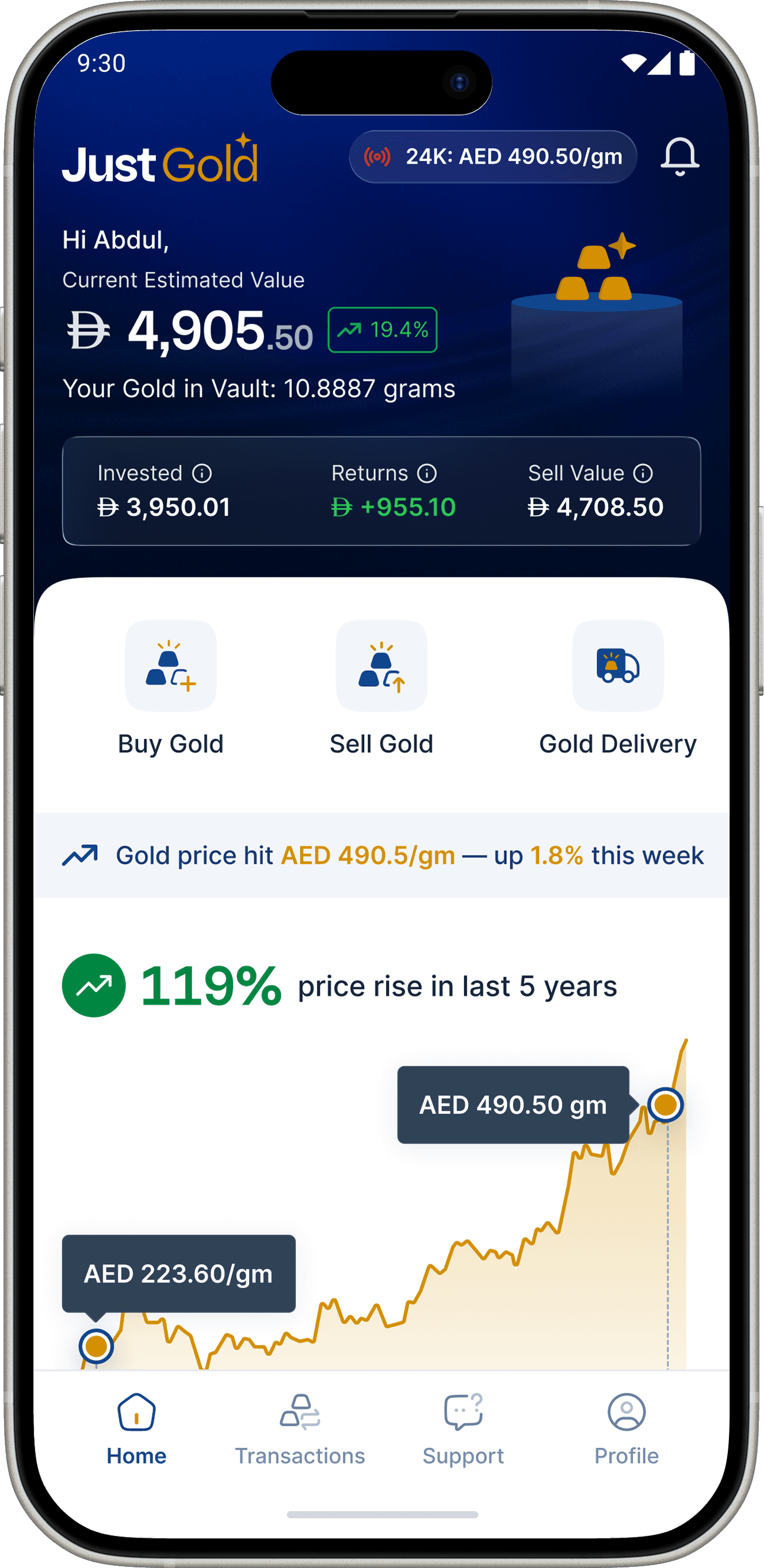
In the UAE, financial institutions and investment platforms like Just Gold offer services that are designed to comply with the principles of Shari'a. These platforms usually have their processes reviewed and certified by a board of Islamic scholars who ensure that the contractual aspects adhere to Islamic finances. A commitment to transparency and clear contract terms reduces the risk of Gharar, thereby enhancing confidence in halal compliance.
Furthermore, digital gold platforms often provide documentation proving each purchase corresponds to a store of physical gold. For instance, some services offer detailed audits and transaction records to verify the presence and ownership of gold. This transparency not only assures clients but also aligns with the concept of mutual benefit, which is a cornerstone in Islamic finance. According to a report by the Dubai Financial Services Authority (DFSA), adherence to these principles is crucial for any digital financial product to be categorized as Shari'a-compliant.
For more extensive insight on how digital gold adapts to the digital transformation while retaining its traditional values, you may refer to this informative blog. Integrating state-of-the-art technology with religious principles ensures that investors can partake in modern opportunities without compromising their spiritual beliefs.
Sharia‑Certified Platforms and Institutional Backing
Building on the foundations of Islamic finance, several reputable platforms operating in the UAE have obtained formal Shariah-compliant certifications, confirming that digital gold investments can align with Islamic principles when properly structured. For example, The Just Gold App has achieved formal Shariah certification from Panacea Consulting in Bahrain, ensuring each gram of digital gold is fully backed by physical, 24-karat gold stored with Loomis International in Dubai and compliant with recognized Shariah standards governing gold trading and custody Gulf News report. This provides a concrete example of how digital platforms can honor the necessary transparency, actual possession, and asset backing principles.
Similarly, Emirates Islamic, the UAE’s first Islamic bank to offer a dedicated digital gold service, launched a Shariah-compliant digital gold and silver investment solution via its EI+ Mobile Banking App Gulf News. The platform enables customers to buy, sell, or redeem real certified gold and silver bars, stored in secure vaults, and delivered or settled as needed. This demonstrates how mainstream Islamic financial institutions are facilitating compliant access to precious metals in digital formats.
Another fintech innovator, O Gold, received Shariah certification from the Center of Islamic Banking and Economics (CIBE), affirming that its fractional gold and silver ownership platform operates within Islamic legal frameworks. It includes mechanisms such as Wakalah Gold Earnings, transparent asset identification, and asset-backed returns free from speculation or interest Gulf News. This real-world application illustrates how investors can participate in logical, asset-based halal opportunities without compromising religious values.
All these examples offer clear, actionable insights into why arguably many users asking whether *is digital gold halal in the uae?* can find credible solutions. By choosing platforms that demonstrate full physical backing, transparent ownership protocols, and recognized Shariah endorsements, investors ensure their participation is ethically aligned and formally certified.
For Muslim investors seeking practical steps: prioritize platforms with independent Shariah board approvals, insist on audit-ready documentation between digital holdings and physical gold, and confirm delivery or redemption flexibility. These measures bridge the gap between innovation and principle, enabling conscientious investment that remains firmly rooted in Islamic tradition.
Conclusion: Embracing Digital Gold in the UAE
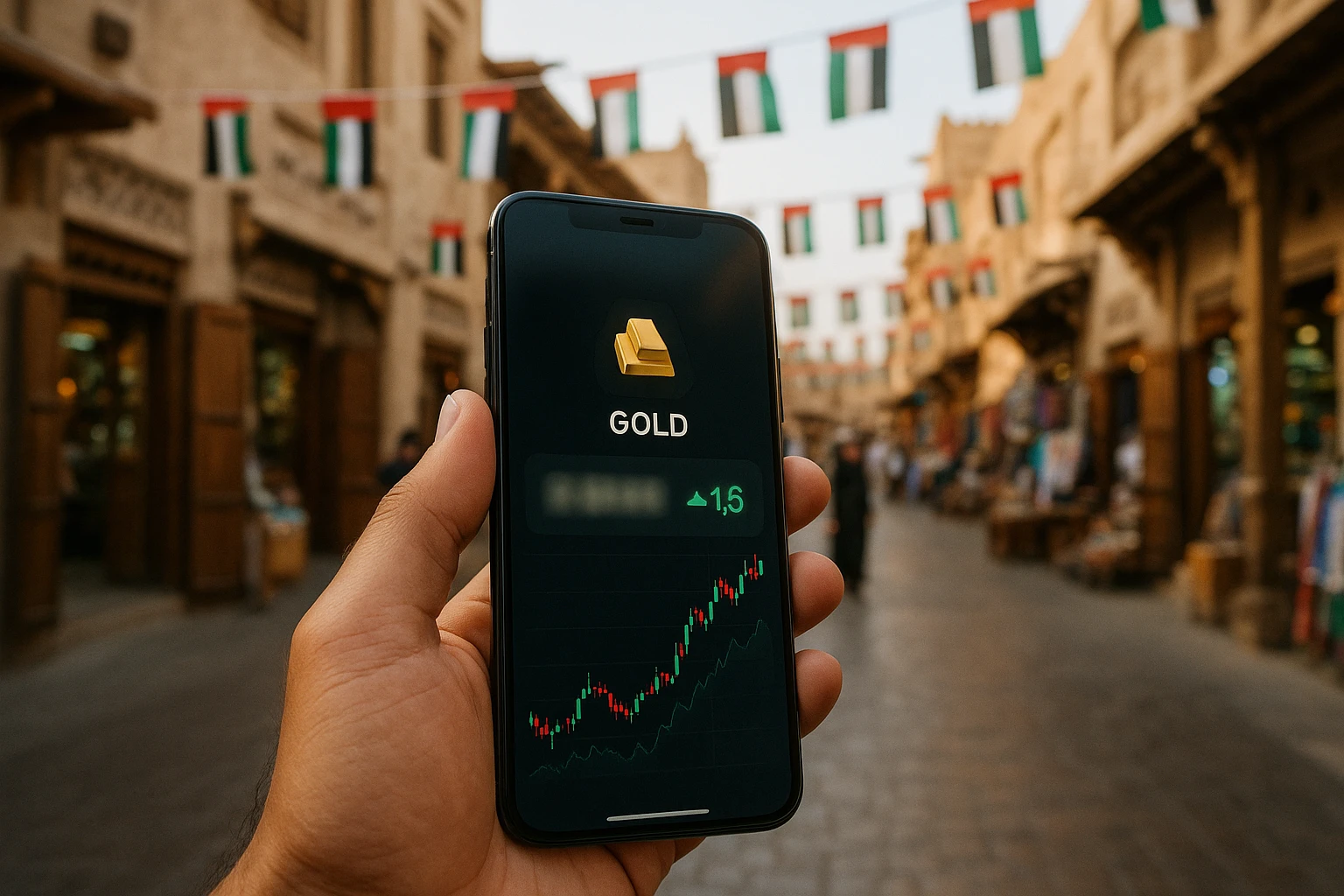
The exploration of whether digital gold is halal in the UAE highlights the importance of aligning modern investment opportunities with Islamic financial principles. Given the dynamic nature of digital gold and its technological advancements, it's crucial for investors to consult with knowledgeable scholars and financial advisors to ensure compliance with Sharia law. The growing interest in Sharia-compliant financial products points to a trend where innovation meets tradition, offering Muslims a chance to invest while adhering to their beliefs.
In light of this, it's essential to consider how digital gold fits into the broader financial landscape in the UAE. By understanding both the religious and economic perspectives, investors can make more informed decisions. Organizations, such as the Dubai Multi Commodities Centre (DMCC), have been instrumental in setting up frameworks that align with Islamic values, opening doors to Sharia-compliant gold trading platforms. This initiative is a testament to how the UAE fosters an environment where tradition and modernity coexist harmoniously.
As we look to the future, the pursuit of investment strategies that align with Islamic principles remains a priority for many. Investors are encouraged to delve deeper into how digital gold functions within these parameters. Practical steps include seeking expert opinions, researching the operational aspects of digital gold, and staying informed about regulatory updates. Access to accurate information and reputable platforms ensures both financial growth and adherence to ethical practices.
To navigate this evolving landscape successfully, consider utilizing resources like Just Gold. This platform offers a comprehensive suite of tools tailored for investors in the UAE, aiming to provide clarity and ease when dealing with digital gold. By bridging the gap between technology and tradition, Just Gold positions itself as a valuable ally for those keen on pursuing investments that are both prosperous and principled.
Ultimately, understanding whether digital gold is halal in the UAE paves the way for informed investment choices that respect religious doctrines while embracing modern financial opportunities. As the landscape evolves, careful evaluation and strategic partnerships can help investors achieve their goals responsibly.