
Understanding UI Claims: Comprehensive Guide

Understanding UI Claims: Comprehensive Guide Introduction The latest unemployment insurance claims data, as outlined in the report from the U.S. Department of L…
Understanding UI Claims: Comprehensive Guide
Introduction
The latest unemployment insurance claims data, as outlined in the report from the U.S. Department of Labor, highlights significant shifts in the labor market. This document, crucial for policymakers and business leaders, provides a detailed snapshot of economic trends and employment patterns. By analyzing these figures, stakeholders can better understand the broader implications for the economy, enabling them to make informed decisions that can shape the future workforce landscape.
Unemployment insurance claims have long been a barometer of economic health. They offer invaluable insights into the state of job markets and consumer confidence. The unemployment claims report is not just a set of numbers; it reflects the real challenges faced by individuals and the ripple effects on communities and industries nationwide. As businesses adjust their strategies, understanding these metrics becomes crucial for navigating economic uncertainties and capitalizing on opportunities.
In recent months, fluctuations in unemployment claims have sparked debates among economists and policymakers. These discussions focus on whether such changes are indicative of temporary market adjustments or signal a more profound transformation within the labor sector. For example, a surge in claims might signal layoffs due to economic contraction, while a decline could indicate job market recovery. Such trends necessitate a meticulous analysis, offering a window into potential policy adjustments and economic forecasts.
Moreover, the impact of these trends can be seen across different segments of society and economies. Industries like technology and manufacturing often experience varied effects from shifts in employment data. Explore how the reported drop in retail sales relates to broader employment trends, underscoring the interconnectedness between different economic factors.
Ultimately, the significance of the Department of Labor's report extends beyond numbers. It serves as a crucial tool for understanding economic resilience and adaptability. As businesses, individuals, and policymakers digest this information, the insights offer opportunities to craft responsive strategies that align with emerging market realities. These proactive measures can lead to sustaining employment growth, stabilizing economies, and ensuring long-term prosperity in an ever-evolving job market.
Insights Gleaned from Unemployment Trends
The comprehensive data presented in the report sheds light on several critical unemployment trends that can significantly influence economic policy and business strategy. By analyzing changes in unemployment rates over time, stakeholders can identify patterns that indicate shifts in economic stability and workforce demands. For instance, a rise in unemployment claims in certain sectors may suggest the need for targeted retraining programs to equip affected workers with new skills suitable for evolving industries.
For businesses, these insights offer a pathway to strategic innovation. Companies can leverage the information to predict consumer spending behaviors and adjust their market offerings accordingly. For example, industries experiencing a downturn may identify potential pivot points to cater to emerging demands. According to a recent report by the Bureau of Labor Statistics, understanding labor market trends and competitive salary benchmarks can help businesses attract the right talent while staying ahead of industry shifts.
Adaptations in Workforce Strategies
Policymakers also gain valuable insight from these unemployment figures, which can guide the development of economic policies that bolster job growth. For instance, understanding the demographics and regions most affected by unemployment can lead to the implementation of localized economic support programs. A proactive approach, informed by detailed insights, aids in the establishment of long-term strategies to mitigate economic downturns.
Moreover, businesses and policymakers alike must respond to changing market conditions with agility. As indicated in US Manufacturing Rebound: Real Growth or a Price Effect, anticipating market fluctuations can help organizations better navigate changes. The adaptability gained through such insights can solidify resilience against future economic disruptions, ensuring sustained growth and stability.
Ultimately, the ability to interpret and leverage data from comprehensive employment reports allows companies and government entities to enact responsive strategies. These strategic adaptations not only help individual sectors recover but also contribute to the broader goal of national economic recovery and growth.

Stacks of printed reports on a wooden table, highlighted by soft natural sunlight streaming through a nearby window, each report featuring the U.S. Department of Labor logo on the cover.
Analyzing Unemployment Trends and Impacts
As we delve deeper into the nuances of unemployment claims depicted in the report from https://www.dol.gov/sites/dolgov/files/OPA/newsreleases/ui-claims/20261413.pdf, it becomes crucial to understand the trends and their broader economic implications. An increase or decrease in unemployment claims can serve as a bellwether for economic health, reflecting businesses' hiring practices and overall consumer spending.
Trends in Unemployment Data
The report indicates fluctuations in the number of unemployment claims over recent months, emphasizing a correlation with seasonal employment patterns and economic shifts. For instance, the rise in claims during the holiday season often corresponds to retail and service sector adjustments. This trend underscores the importance for businesses to adjust their strategies in response to these dynamics, ensuring they remain agile and resourceful.
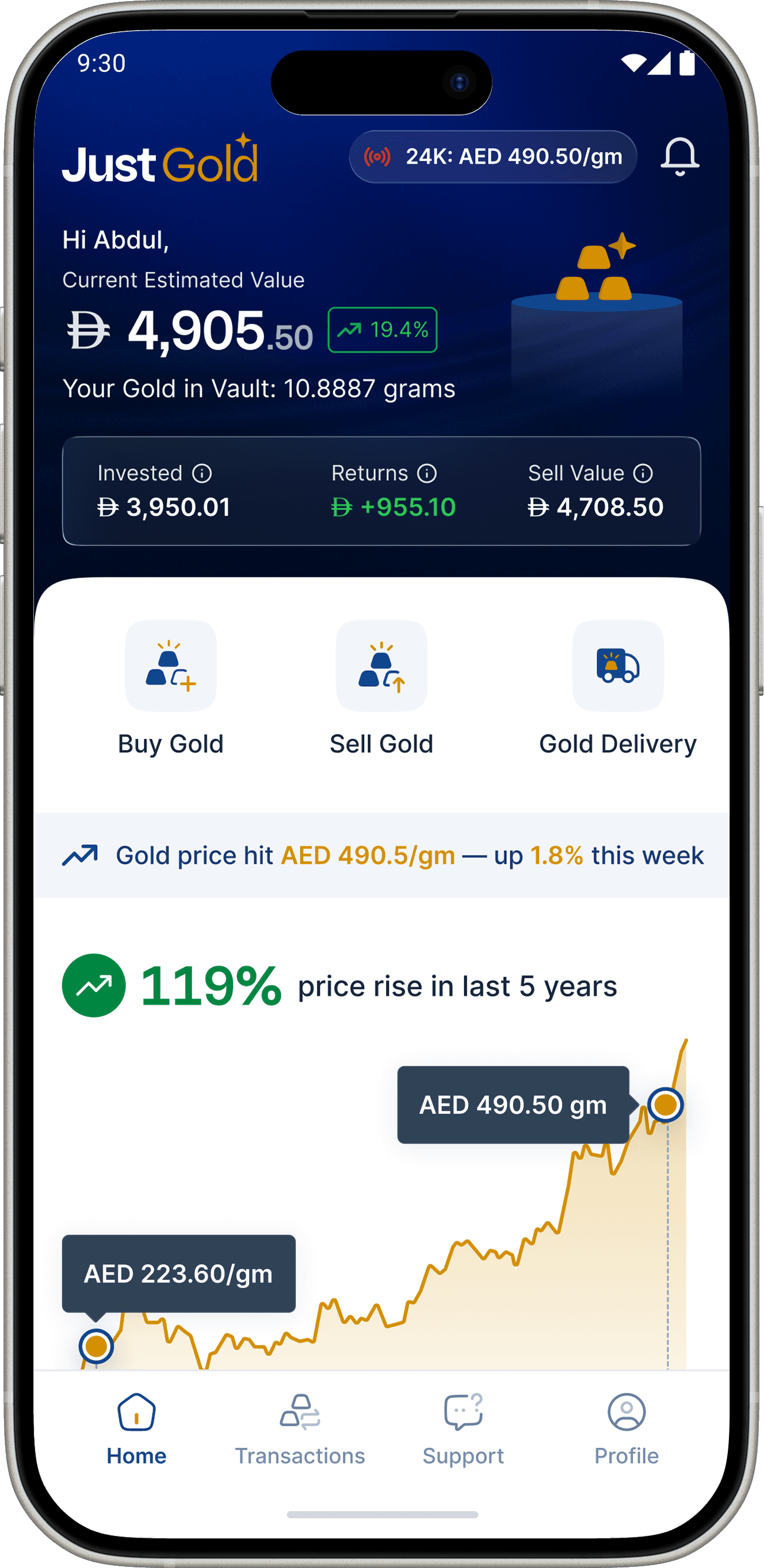
Businesses can leverage platforms like Just Gold to navigate economic uncertainties. By utilizing data analytics and tracking market trends, companies can better forecast labor needs, aligning staffing with demand fluctuations. This proactive approach not only stabilizes workforce requirements but also enhances long-term viability.
Real-World Applications and Case Studies
Historically, understanding unemployment statistics has enabled policymakers to devise targeted interventions. For example, during the financial crisis in 2008, analysis of unemployment data facilitated stimulus packages aimed at bolstering job creation and economic recovery. In the current context, similar analyses might be used to predict economic rebound post-pandemic, offering insights into sectors that are likely to recover faster or need prolonged support.
Moreover, individual investors may find these insights valuable. By monitoring economic trends, investors can make informed decisions regarding asset allocation, especially in volatile markets. In fact, resources like the US Retail Sales Drop blog underscore adaptive strategies for businesses during economic downturns, providing practical guidance for problem-solving and strategy realignment.
Actionable Insights for Stakeholders
Stakeholders ranging from government officials to business leaders can benefit from understanding the detailed data within reports like those hosted on https://www.dol.gov/sites/dolgov/files/OPA/newsreleases/ui-claims/20261413.pdf. Armed with this knowledge, proactive measures can be undertaken to mitigate unemployment challenges. Strategically channeling resources into retraining programs and supporting industries poised for growth are vital steps in strengthening the economy.
Ultimately, these insights serve as a cornerstone for building resilient economic systems capable of withstanding future challenges. Through robust data analysis, stakeholders can foster a more adaptable and prosperous economic environment.
Leveraging Unemployment Data for Strategic Planning
Interpreting unemployment trends is crucial for effective economic strategy formulation. The report available on DOL's official website provides vital insights into unemployment claims, serving as a foundation for strategic planning. Businesses and government agencies can harness this data to anticipate labor market shifts and plan accordingly.
Integrating Data into Workforce Development
Leveraging insights from unemployment data enables targeted workforce development initiatives. For instance, identifying industries with declining unemployment claims can highlight sectors poised for growth. According to Bureau of Labor Statistics, sectors like technology and healthcare show resilient job growth. Programs that focus on skills necessary for these industries can streamline workforce transition, reducing job-seeker mismatches and enhancing economic resilience.
Case Study: Regional Economic Revitalization
A pertinent example of data-driven economic revitalization is found in Detroit's resurgence post-2008 recession. By aligning training programs with labor market demands underscored by unemployment reports, Detroit successfully lowered unemployment rates while enhancing overall economic stability. As documented in Brookings Institution research, this approach underscores the efficacy of strategic planning grounded in robust data interpretation.
Using Predictive Analytics to Anticipate Trends
Businesses employing predictive analytics can derive immense benefits by anticipating economic fluctuations. Utilizing datasets such as those found in the latest unemployment claim reports, they can model potential economic scenarios, thereby refining their strategic approaches. This foresight is invaluable for preparing for market uncertainties and sustaining long-term growth.
Actionable Steps for Stakeholders
Invest in detailed analysis of unemployment trends to identify emerging economic patterns.
Align educational and vocational training programs with sectors experiencing job growth.
Implement predictive analytics tools to forecast and prepare for future labor market changes.
Encourage collaboration between local governments and businesses to tailor public policies effectively.
By diligently applying these strategies, stakeholders can not only mitigate risks associated with economic downturns but also harness opportunities for growth, fostering a more resilient economy capable of adapting to ever-evolving challenges.

A row of abandoned storefronts with "For Lease" signs in the windows, reflecting the broader economic implications of rising unemployment claims, under a cloudy sky.
Conclusion: Navigating the Path Forward
The rising number of unemployment claims, as documented in the Department of Labor report, underscores the urgent need for adaptive strategies in the labor market. As businesses and policymakers grapple with these challenges, actionable insights can drive meaningful change.
Embracing Technological Advancements
Leveraging technology is one of the most effective responses to fluctuating employment rates. Employers can utilize data analytics to predict market trends and make informed hiring decisions. Additionally, adopting remote work infrastructure enhances resilience, allowing for greater flexibility in workforce management. According to Forbes, organizations investing in remote capabilities see improved employee satisfaction and retention.
Enhancing Skills and Workforce Development
With industries rapidly evolving, it is crucial for the workforce to adapt. Promoting continuous learning and skill enhancement can bridge the gap between existing qualifications and market demands. Government and private initiatives that focus on reskilling and upskilling can create more opportunities for job seekers, ultimately reducing unemployment stress on the economy.
Policy and Economic Support
Increased policy intervention can also aid recovery efforts. Programs that offer financial support to small and medium enterprises, tax incentives, and investment in public projects are vital for economic rejuvenation. The World Bank has highlighted the importance of such interventions in driving sustainable employment.
Taking the Next Step
For businesses and individuals seeking to navigate these uncertain times, leveraging resources like Just Gold can be advantageous. With comprehensive tools and support, this platform offers strategic insights and solutions tailored to current market conditions.
The path forward requires a multi-faceted approach, grounded in innovation, collaborative efforts, and a commitment to continuous improvement. By staying informed and proactively engaging with available resources, stakeholders can better manage the ever-changing economic landscape.